
Last updated November 15, 2026
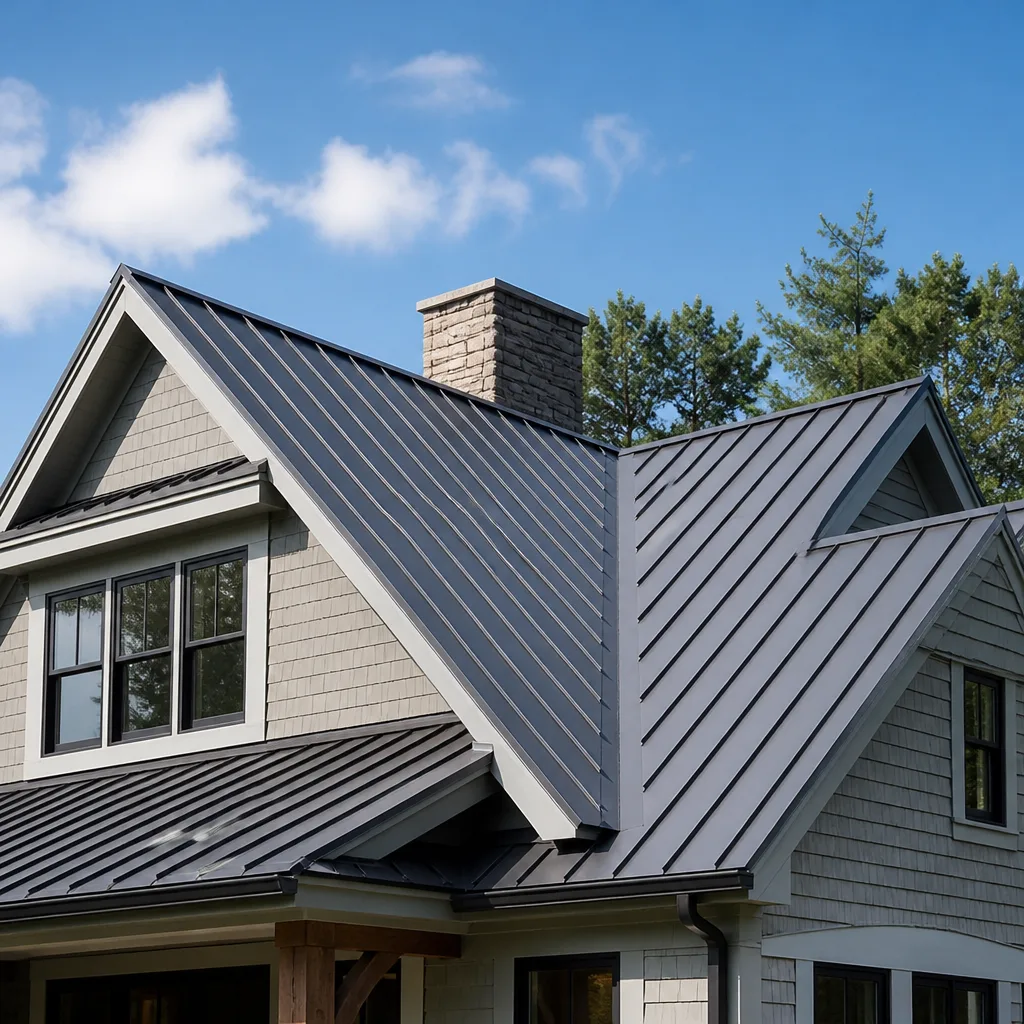 Metal roofing
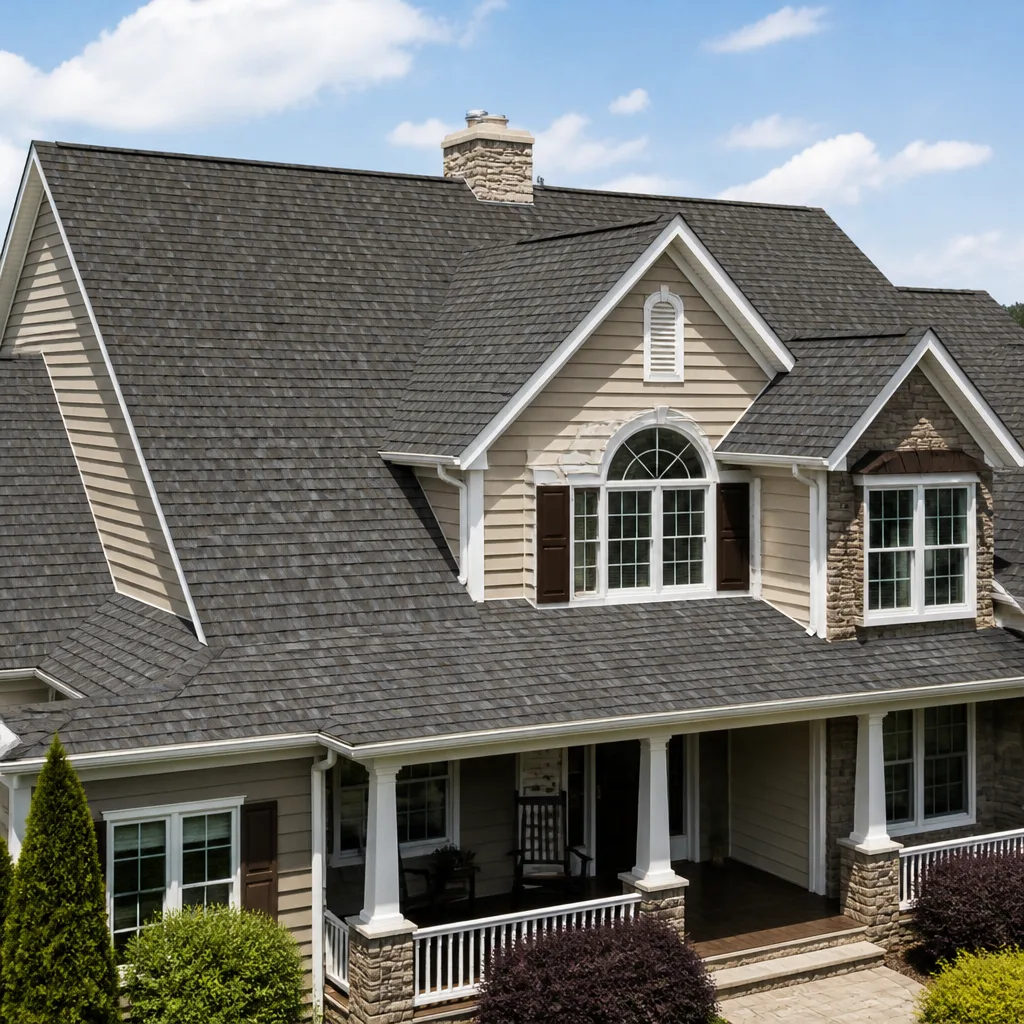 Architectural shingles
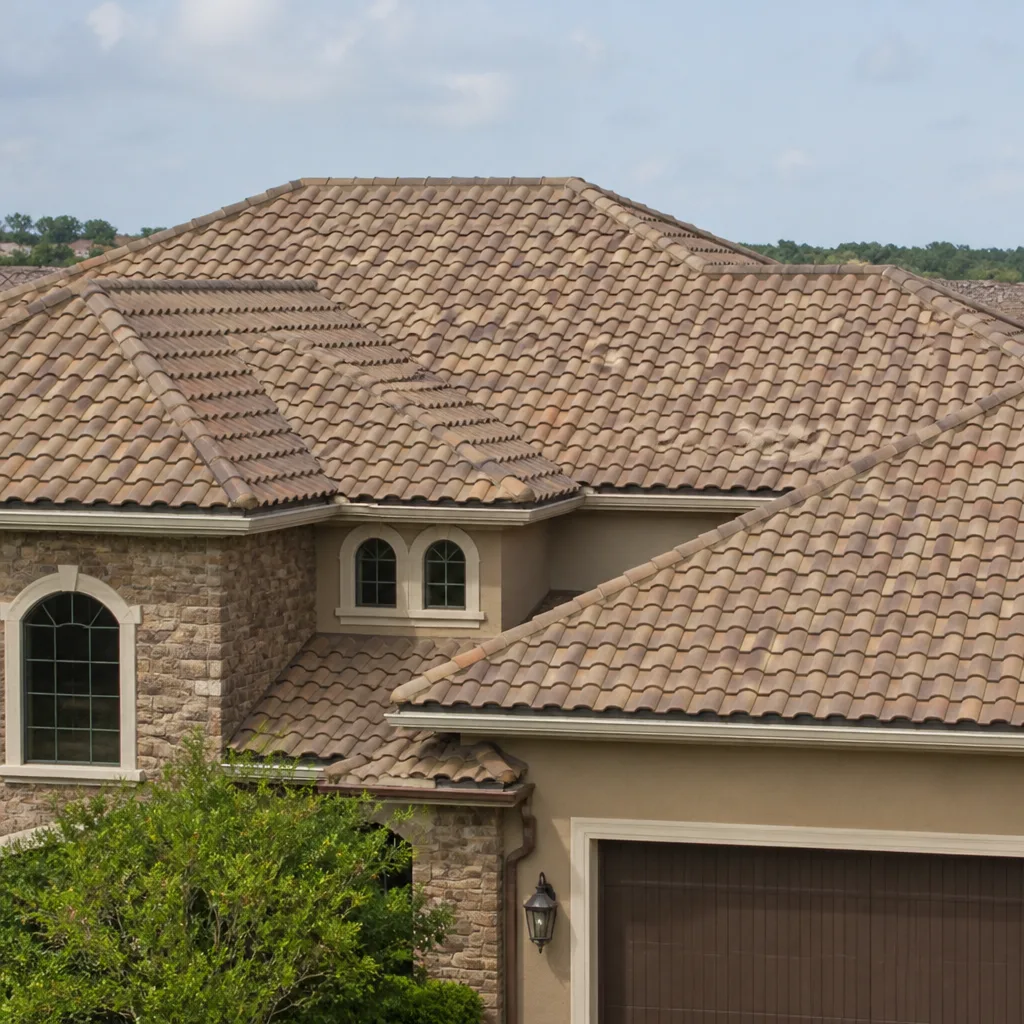 Tile roofing
 GAF
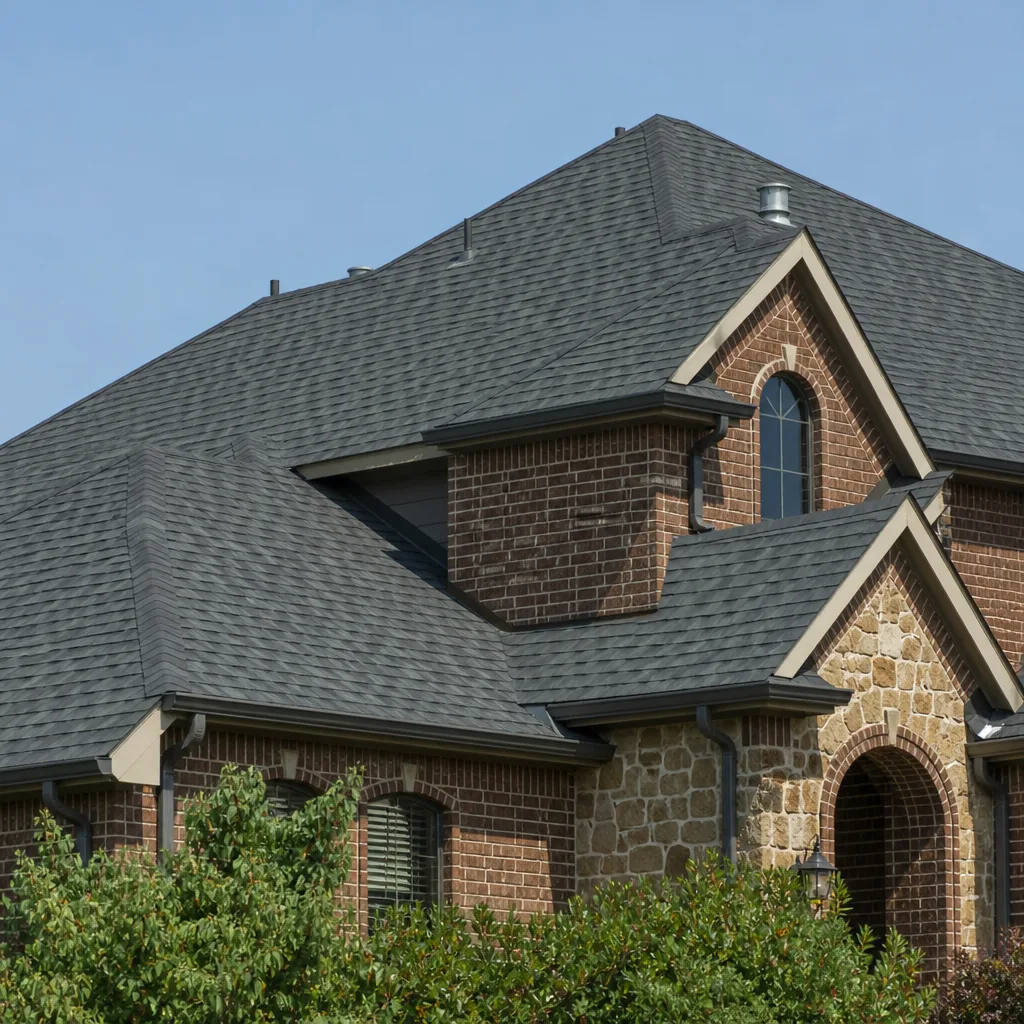 Owens Corning
 Flat & low-slope
Free roof inspection with deck photos before we talk money - GAF and Owens Corning certified installation
DIY vs Professional Roofing: The Sunrise Manor Homeowner’s Decision Guide
A shingle repair that holds up fine in Portland can fail in Sunrise Manor. Not because the homeowner did anything differently, but because the desert doesn’t forgive the same mistakes a milder climate absorbs. Sealant that never cures right in 110°F heat, a replacement shingle that doesn’t match the granule weight of what’s already on the roof, fasteners driven into decking that expands and contracts through a 40-degree daily swing. The tolerance for shortcuts here is thin. This guide walks through exactly which roofing tasks make sense for a capable homeowner in Sunrise Manor, which ones quietly cost more than they save, and where the line between DIY and professional really sits.
Styles & brands we work with
- Architectural shingles
- Metal roofing
- Tile roofing
- GAF
- Owens Corning
- Flat & low-slope
Quick Answer
For most Sunrise Manor homeowners, the DIY-versus-professional question comes down to scope. Gutter clearing, minor sealant touch-ups, and visual inspections from the ground are reasonable DIY territory. Shingle replacement, flashing repair, and anything involving roof decking or height work are not, mainly because the desert climate punishes installation shortcuts that other regions tolerate. A free professional inspection tells you which category your roof falls into before you spend anything.
Table of Contents
- Key Takeaways
- Why Sunrise Manor’s Climate Raises the Stakes on Every DIY Decision
- What a Competent Homeowner Can Safely Do in Sunrise Manor
- The Limits of Each DIY Task, Defined Clearly
- Why DIY Shingle Replacement Is Riskier Than the Tutorials Suggest
- What DIY Work Does to Your Warranty and Your Insurance
- The Real Cost Comparison: What DIY Actually Saves
- The One Scenario Where DIY Is Clearly the Right Answer
- Common Mistakes to Avoid
- When to Call a Professional
- Frequently Asked Questions
- The Bottom Line
Key Takeaways
- Sunrise Manor’s heat, sun exposure, and daily temperature swings make installation details matter more than they do in milder climates.
- Gutter clearing, minor sealant touch-ups, and ground-level visual inspections are the three tasks where DIY genuinely makes sense.
- DIY shingle replacement risks heat-activated sealant failure, granule mismatch, and improper fastening into decking that moves constantly.
- Improper installation can void manufacturer warranties and may fall outside homeowner’s insurance coverage.
- The savings from DIY shrink once you account for material markup, tool costs, and the likelihood of a callback repair.
- Temporary emergency patching to stop interior water damage is the one case where DIY is clearly the right call.
- A standalone inspection is the cheapest way to find out what your roof actually needs before you decide anything.
Why Sunrise Manor’s Climate Raises the Stakes on Every DIY Decision
The roofing advice that fills YouTube is mostly written for temperate climates. It assumes moderate summers, occasional rain, and winters that don’t cook asphalt. Sunrise Manor isn’t that place. Summer rooftop surface temperatures climb well past the ambient air temperature, and the gap between afternoon highs and overnight lows puts the roof assembly through a daily expansion-and-contraction cycle that adds up over years.
That matters for DIY because the failure modes are different here. In a mild climate, a slightly misaligned shingle might sit fine for a decade. In Sunrise Manor, a shingle that isn’t sealed down properly lifts in the first big wind event, and granules wear faster on a south-facing slope than on a north-facing one. Sealant timing is another one. Adhesive strips on asphalt shingles activate with heat, but they need to cure within a temperature window to bond correctly. Install a shingle in the wrong part of the day and the seal can set unevenly, leaving a spot that never bonds.
Homes around Sunrise Manor also tend to be single-story ranches and modest two-story builds with straightforward rooflines, which makes them look approachable. That’s part of the trap. A low-slope or gently pitched roof still has fall risk, still has decking that needs specific fastener placement, and still has flashing details that need to be done right the first time. The climate just makes the margin for error smaller.
This is where a brand-neutral recommendation matters. Because we install products from GAF, CertainTeed, Owens Corning, IKO, Atlas, Tamko, and Boral, the material choice should follow the roof and the budget, not a supplier contract. And because roofing is all we do, the recommendation isn’t shaped by anything outside the trade.
What a Competent Homeowner Can Safely Do in Sunrise Manor
DIY roofing isn’t all-or-nothing. There’s a narrow band of tasks where a careful homeowner with basic tools and reasonable caution can genuinely save money without risking the roof or themselves. Here’s what belongs in that band.
- Gutter clearing. Removing leaves, granules, and debris from gutters and downspouts is low-risk work that protects the roof edge and fascia. Use a stable ladder on level ground, keep a spotter, and clear from the ground with a tool where possible. Do this before monsoon season and again after, since desert storms can push a season’s worth of buildup in one afternoon.
- Minor sealant touch-ups. Small gaps around vents, pipe boots, and flashing edges can often be sealed with roofing-grade sealant. The key word is minor. If you’re resealing the same spot every year, the underlying issue is bigger than a bead of sealant will fix.
- Visual inspections from the ground. Binoculars, a phone camera, and a walk around the perimeter will catch curling shingles, visible granule loss on the driveway, sagging, and staining on the ceiling inside. Ground-level inspection is safe, useful, and worth doing a few times a year.
Notice what’s missing from that list: no shingle replacement, no flashing repair, no work on the roof surface itself. Those aren’t on the DIY list because the desert climate, the fall risk, and the warranty consequences stack against them. For anything at roof level beyond a visual check, start with roof repair through a professional who can tell you what’s actually going on.
The Limits of Each DIY Task, Defined Clearly
Each of the three safe DIY tasks has a clear stopping point. Knowing where that point is matters as much as knowing the task.
Gutter clearing: stop at the roof edge
Clearing gutters is DIY territory. Repairing a gutter that has pulled away from the fascia, replacing a section that’s rusted through, or addressing standing water that pools against the foundation is not. If the gutter problem is structural, it needs to be handled properly or it will keep recurring.
Sealant touch-ups: stop at the second application
One careful sealant application on a small, clearly visible gap is reasonable. A second application on the same spot the following year means the sealant is masking a problem, not solving it. Water is finding a path, and the fix isn’t more sealant.
Ground-level inspection: stop at anything that requires you to get on the roof
Ground inspection catches a lot. It doesn’t catch soft decking, lifted flashing beneath the surface, or the condition of the underlayment. Those require a professional on the roof, which is exactly what a standalone Roofing Sunrise Manor inspection is for. We offer inspection as a dedicated service, not a sales call dressed up as an assessment, so you know what your roof needs before anyone quotes a repair or replacement.
If you’re unsure whether a task is on the safe side of the line, the honest answer is almost always no. A short conversation with a roofer will tell you in five minutes what an afternoon on a ladder can’t.
Why DIY Shingle Replacement Is Riskier Than the Tutorials Suggest
Shingle replacement looks straightforward in a tutorial. Pry up the old shingle, slide a new one in, nail it down, seal it. In practice, three details in Sunrise Manor make that sequence harder than it looks.
Heat-activated sealant timing. Asphalt shingles have an adhesive strip that bonds when the sun heats the roof. In a cooler climate, the strip might stay dormant for weeks. In Sunrise Manor, the strip activates fast, sometimes too fast. If the shingle isn’t positioned and pressed correctly the moment it heats up, it bonds unevenly or lifts. A shingle that bonds crookedly is more likely to catch wind and tear off later.
Granule matching. Asphalt shingles carry a layer of granules that protects the asphalt from UV. Granules come in different weights and colors by brand and product line. A replacement shingle that’s a slightly different granule weight will wear differently and can look visibly mismatched on a roof under hard sunlight. Because we install across GAF, CertainTeed, Owens Corning, IKO, Atlas, Tamko, and Boral, matching an existing shingle to a correct product is a routine part of the job for us. For a homeowner, it’s a guessing game that often ends in a mismatched repair.
Fastener requirements into decking. Shingle fasteners have to be placed correctly into the decking so the roof holds against wind uplift and thermal movement. Nailing high or low, overdriving, or missing the underlying framing all weaken the hold. In a climate where decking is constantly expanding and contracting, a fastener that’s slightly off can work loose over time and create a leak path.
Then there’s the fall risk. Roofing fall injuries are among the most serious in home improvement. Working on a roof is not a task to learn while you’re on it. If shingles are missing or damaged, the right move is a professional repair, and we’d point you toward Sunrise Manor roofing service rather than a tutorial.
What DIY Work Does to Your Warranty and Your Insurance
The financial consequence of a bad DIY roof repair often shows up months later, in a denied warranty claim or an insurance exclusion. Here’s how that works in Nevada.
Manufacturer warranties. Most asphalt shingle manufacturers require installation by a qualified professional to honor their product warranty. A homeowner install may not void the warranty outright, but it often means a claim is denied because the failure traces back to installation. Manufacturer requirements vary by brand, so read the specific terms of the shingle on your roof. This is one reason we’re careful about matching materials: a repair that preserves the existing warranty beats a repair that quietly ends it.
Homeowner’s insurance. Standard homeowner policies cover sudden damage such as wind, storm, or a fallen limb. They typically exclude damage caused by poor workmanship. If a DIY repair leaks and damages interior ceilings, drywall, or insulation, that resulting damage may fall outside coverage because the root cause was workmanship, not a covered event. The exclusion language varies by policy, so the person to ask is your insurance agent, not a roofer.
The takeaway isn’t that DIY work always voids coverage. It’s that the money you save on a DIY repair can be dwarfed by a denied claim later. For anything beyond the three safe tasks, that equation doesn’t favor DIY.
The Real Cost Comparison: What DIY Actually Saves
The DIY math usually starts with the material cost and ends there. The honest comparison goes a few steps further.
- Material markup. Professionals buy materials at trade pricing, which often offsets a significant portion of labor on small jobs. A homeowner buying retail for a single repair may pay more per shingle than a roofer bills for the same product installed.
- Tool costs. Roofing-specific tools (pry bars, tin snips, proper fasteners and a nailer, sealant guns, roofing-grade adhesives, fall-protection equipment) are a real expense. If you only need them once, that cost is part of the DIY bill.
- Time. A qualified crew does a small repair in an hour. The same job for a first-time DIYer, including the trip to the supplier, the setup, and the cleanup, is usually an afternoon or a lost weekend.
- Callback risk. This is the one most DIY math leaves out. If the repair leaks or the shingle lifts, the follow-up professional repair costs the full professional price plus the material you already bought. The probability of this is higher in Sunrise Manor because the climate is less forgiving of imperfect work.
- Warranty and coverage consequences. A repair that voids a manufacturer warranty or falls outside insurance coverage adds a future liability that isn’t visible on the receipt.
Add those together and the honest answer is that DIY saves real money only on small, well-scoped tasks. On anything substantial, the math favors professional work. If you’re weighing repair against full roof replacement, the same logic applies, only more so.
The One Scenario Where DIY Is Clearly the Right Answer
There’s exactly one case where the DIY call is obvious: temporary emergency patching to stop active water intrusion before a contractor can respond. If water is coming through a ceiling or running down an interior wall during a storm, a tarp or a temporary sealant patch reduces interior damage while you wait for a professional.
This is a containment move, not a repair. Keep it to three rules:
- Patch only what you can reach safely from the ground or a firmly set ladder. Do not go onto a wet roof.
- Use a tarp, plastic sheeting, or roofing-grade temporary sealant. Don’t try to replace shingles in a storm.
- Treat the patch as a stopgap. The underlying issue still needs a professional repair, and a tarp left on for months causes its own problems.
Outside of an active leak, the honest answer to “should I DIY this?” is almost always no. Our technicians have up to 12 years of experience, and the calls we make on a roof edge are not things a homeowner can reliably work out from a ladder.
Common Mistakes to Avoid
- Resealing the same leak every year. If you’re touching up the same spot annually, the sealant is hiding a problem that needs to be diagnosed and fixed properly. Water always finds the path below.
- Mismatching shingle granules and weight. A replacement shingle that’s a different product line, granule color, or thickness wears at a different rate and looks visibly off under hard desert sun. Match the product line, not just the color name.
- Installing shingles at the wrong time of day in summer heat. Sealant strips can activate before the shingle is positioned correctly, leaving a shingle that never bonds flat. The window for a clean install is narrower here than in milder climates.
- Overdriving or misplacing fasteners. A nail driven too deep or placed too high in the shingle weakens the wind hold. In Sunrise Manor, where daily thermal movement is constant, that weakness shows up as lifted shingles faster than it would elsewhere.
- Working on the roof without fall protection. A ladder leaning against a single-story rancher still carries a fall risk. If you’re not set up for safe roof access, you’re not set up to be up there.
- Assuming the patch is permanent. Temporary repairs have a short life. A tarp or sealant patch that stays on for a season or more traps moisture and can cause decking rot underneath.
- Buying retail for small jobs without comparing. The professional estimate is free and often competitive once you include trade pricing, installation, and warranty continuity. Pricing is set per job by the written estimate, and the estimate costs nothing.
When to Call a Professional
Call a professional for anything that requires working on the roof surface: shingle replacement, flashing repair, underlayment work, deck repair, and any leak that returns after a sealant touch-up. Call for anything involving height, fall risk, or roof access you’re not set up for. Call whenever a repair might affect a manufacturer warranty or an insurance claim. Call if you’re planning a full replacement rather than a repair, since replacement is never a homeowner job.
For the smaller cases, call for an inspection. It’s the cheapest way to know what you’re dealing with: one visit, a clear answer on whether you need a repair, a replacement, or nothing at all. Roofing Sunrise Manor offers free estimates in Sunrise Manor. Call (888) 849-9122. We answer 24/7. Fast dispatch from 7am to 7pm, Sunday through Friday.
Frequently Asked Questions
Yes, for a narrow set of tasks: gutter clearing, minor sealant touch-ups on small gaps, ground-level visual inspections, and temporary emergency patching to stop active leaks. Anything that requires working on the roof surface, including shingle replacement, flashing repair, or deck work, is not a safe DIY job in this climate. Call (888) 849-9122 for an exact quote on a professional repair, estimates are free.
It can. Most asphalt shingle manufacturers require qualified professional installation to honor their product warranty, and a homeowner install often means a claim is denied because the failure traces back to installation. The specific terms vary by brand, so read the shingle manufacturer’s warranty language before you decide. If you want the repair to preserve warranty continuity, call (888) 849-9122 for an exact quote, estimates are free.
Usually not. Standard policies cover sudden damage from events like wind or storms, but they typically exclude damage caused by poor workmanship. That means interior damage from a DIY leak may fall outside coverage because the root cause was workmanship, not a covered event. Your insurance agent is the right person to confirm your specific policy language. For a roof that needs professional repair, call (888) 849-9122 for an exact quote, estimates are free.
A professional repair is priced per job by the written estimate, and the estimate itself is free. The DIY comparison usually shrinks once you include material markup, tool costs, time, and the chance of a callback repair. On small jobs, professional pricing is often competitive once those are added up. Call (888) 849-9122 to schedule your free estimate and get a real comparison for your roof.
Match the product line, not just the color name. Granules come in different weights and colors by brand, so a replacement shingle that’s a different product line may wear at a different rate and look visibly off under desert sun. Because we work across GAF, CertainTeed, Owens Corning, IKO, Atlas, Tamko, and Boral, we can match an existing shingle to a correct replacement product. Call (888) 849-9122 to schedule your free estimate.
Most cities require a permit for roofing work beyond minor repairs, and requirements vary by scope. The right move is to ask your city’s building department directly what your specific repair requires. A professional repair should include the permitting step, and any professional you hire should be able to tell you what applies to your job. Call (888) 849-9122 to schedule your free estimate.
No. A tarp is a temporary containment measure to reduce interior damage while you wait for a professional repair. Left in place for a season or more, a tarp traps moisture and can cause decking rot underneath, which turns a small repair into a bigger one. If a tarp is up, the next step is a professional assessment. Call (888) 849-9122 to schedule your free estimate.
The Bottom Line
The DIY-versus-professional question in Sunrise Manor isn’t really about skill. It’s about scope and consequences. Gutter clearing, small sealant touch-ups, ground-level inspection, and temporary emergency patching are legitimately DIY, and a careful homeowner can save money on them. Shingle replacement, flashing work, deck repair, and anything that involves being on the roof surface carry risks the desert climate makes harder to absorb: sealant that cures wrong, granules that don’t match, fasteners that work loose, and warranty and insurance consequences that outlast the repair. When the scope crosses the line, a professional repair is the safer financial move. Start with an inspection, get a written estimate, and let the estimate set the price.
Roofing Sunrise Manor handles inspection, repair, and replacement as three standalone services, all under one roof. We work across seven leading brands including GAF, CertainTeed, Owens Corning, and Boral, so the material recommendation follows your roof and budget, not a supplier deal. Whether the right call is a repair, a replacement, or nothing at all, we’ll tell you which. Call (888) 849-9122 for a free estimate. We answer 24/7. Fast dispatch from 7am to 7pm, Sunday through Friday.
Written by the team at Roofing Sunrise Manor.
See the difference
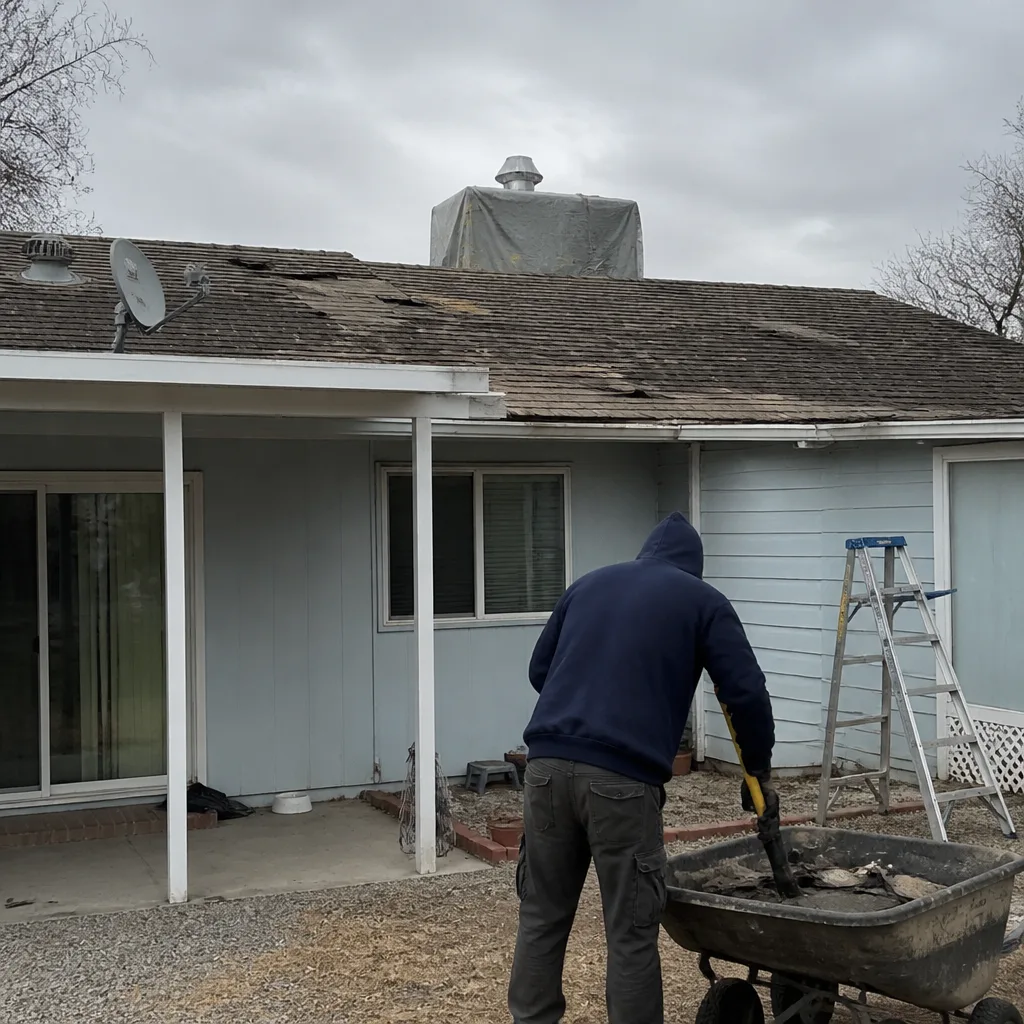 Before
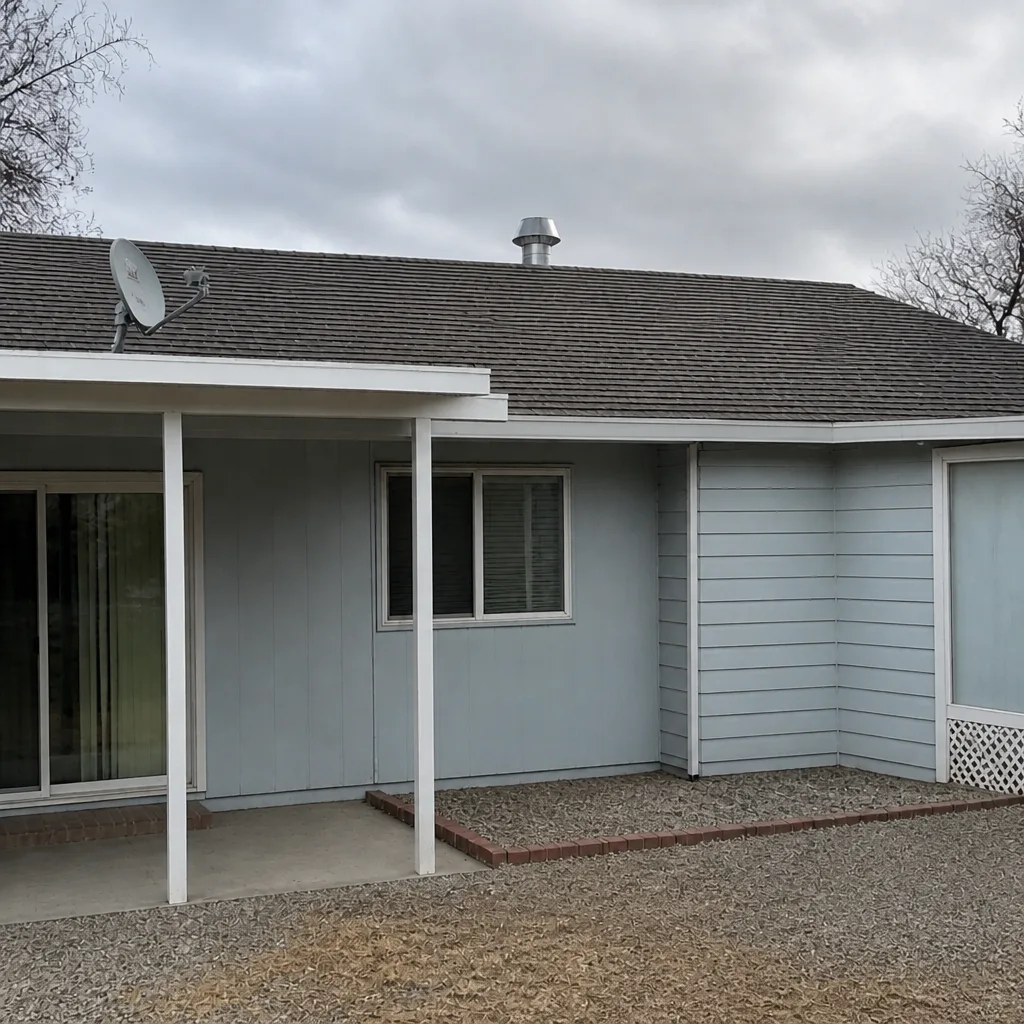 After
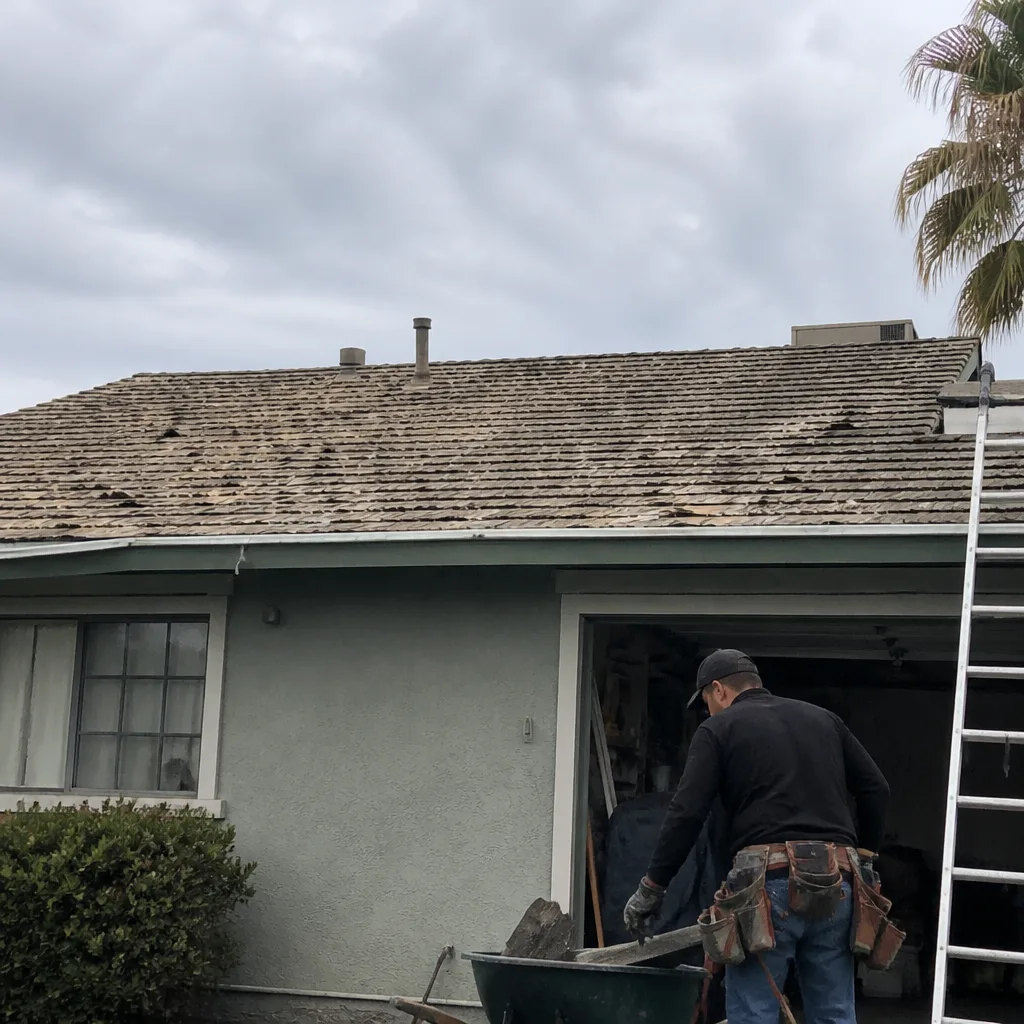 Before
 After
 Before
 After