
Last updated November 15, 2026
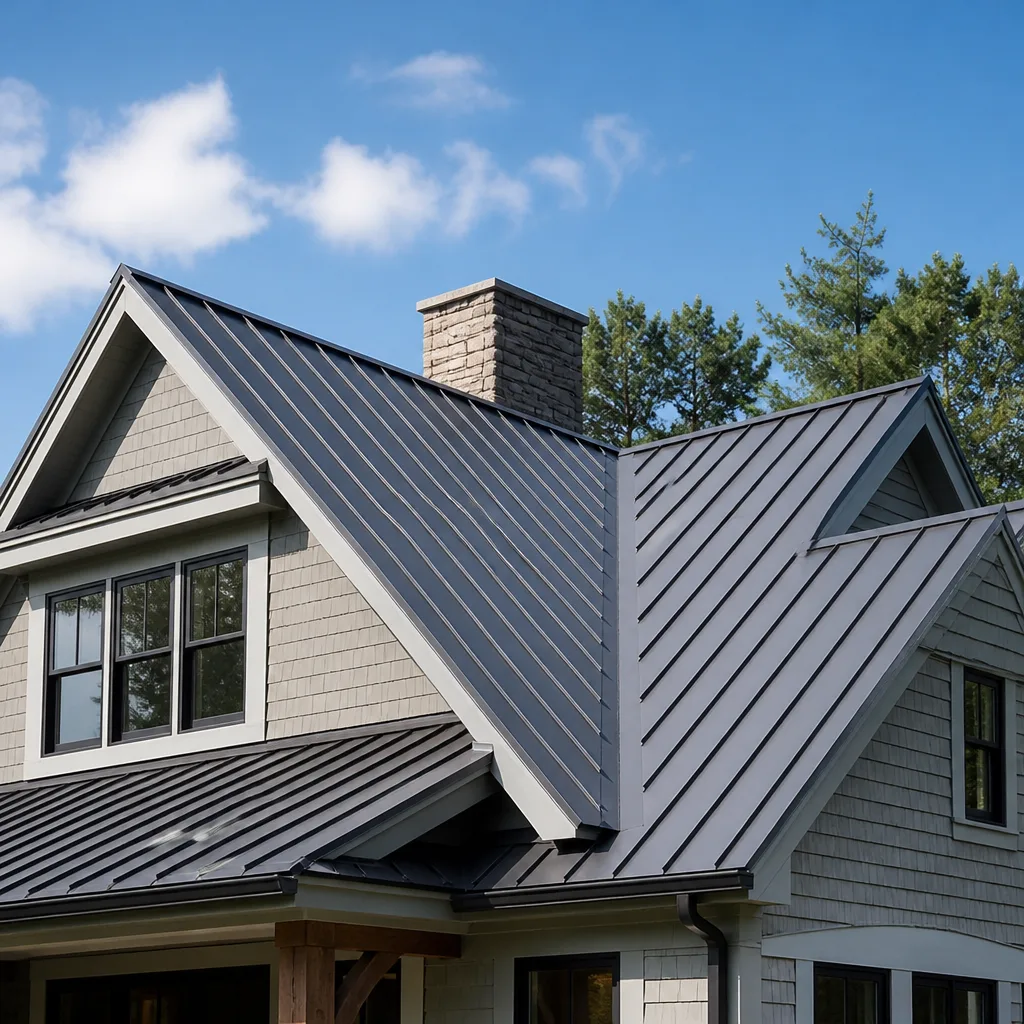 Metal roofing
 Architectural shingles
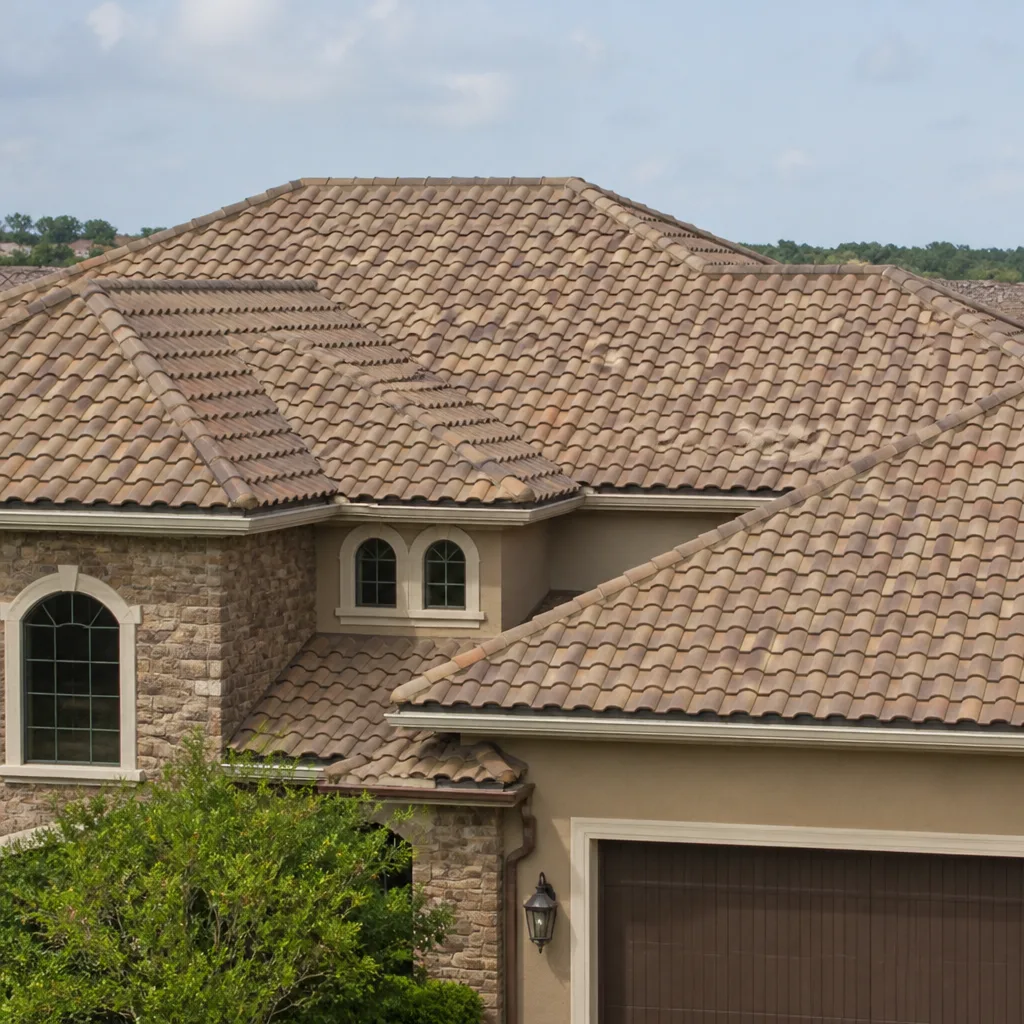 Tile roofing
 GAF
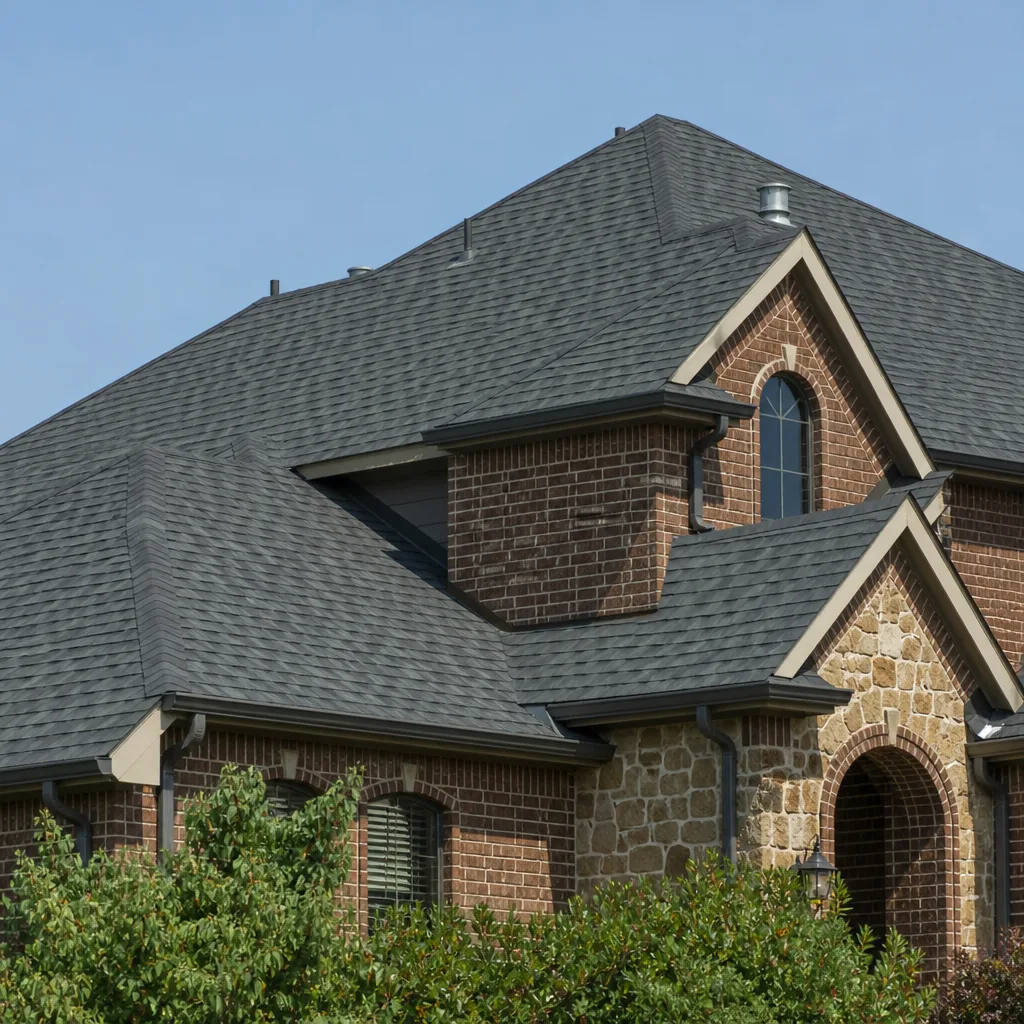 Owens Corning
 Flat & low-slope
Free roof inspection with deck photos before we talk money - GAF and Owens Corning certified installation
Roofing Emergency Preparedness Guide for Sunrise Manor Homes
Most Sunrise Manor households have a plan for the power going out. Fewer have a plan for the roof going bad at the worst possible moment. That gap matters here, because the storms that hit the east valley do not announce themselves politely. A haboob rolls in, the wind gets under a lifted shingle, and suddenly you’re standing in a hallway at 10 PM holding a bucket and scrolling through contractors on your phone in the dark. The 45 minutes you spend trying to reach someone could have been avoided with about an hour of prep done on a calm afternoon. This guide walks you through the decisions, the documentation, and the one-page reference sheet that turns a panicked night into a manageable one. We’re a roofing company, so we’ve seen how these situations play out. We’d rather you know the steps before you need them.
Quick Answer
A roofing emergency in Sunrise Manor is best handled in this order: protect people first, then stop water from spreading inside, then document everything with timestamped photos, then call a roofer. Tarping a breach yourself is possible on some roof profiles but carries real fall and secondary-damage risk, so it’s often smarter to contain the water and get a professional out than to climb up in the dark. The prep work – a one-page contact sheet, tarp storage, water shutoff location, and your policy number – takes about an hour and should happen before storm season, not during it.
Styles & brands we work with
- Architectural shingles
- Metal roofing
- Tile roofing
- GAF
- Owens Corning
- Flat & low-slope
Table of Contents
- The First 30 Minutes of a Roof Breach
- Is It a Structural Emergency or a Repair-Class Problem?
- Emergency Tarping on Sunrise Manor Roof Profiles
- Documentation Your Insurance Claim Will Need
- Building Your One-Page Roofing Emergency Reference
- How Sunrise Manor Climate Shaped This Guide
- Common Mistakes to Avoid
- When to Call a Professional
The First 30 Minutes of a Roof Breach
The first half hour after water starts coming in decides how much of your interior gets damaged. Rank your actions. Do the highest-priority item you can safely reach and move down the list.
- Get people and pets out of the wet zone. Water near outlets, a ceiling fan, or a light fixture is an electrical hazard. Do not stand under a bulging ceiling. Move furniture and electronics away from the drip path first if it’s safe to do so.
- Contain the water, don’t chase it. Buckets, towels, and a shop vac if you have one. If water is pooling on a floor near a wall, get it up before it wicks into drywall and baseboards.
- Relieve a bulging ceiling carefully. A sagging ceiling drywall pocket holds trapped water and will eventually collapse. If you can safely poke a small hole at the low point with a screwdriver from below, water drains in a controlled stream into a bucket instead of crashing down. If the bulge is large or the ceiling feels soft across a wide area, stay out of the room and call for help.
- Photograph everything before you clean up. Ceiling stains, wet flooring, damaged furniture, the water line on the wall. Timestamped photos taken in the first 30 minutes carry more weight with insurers than a cleaned-up room photographed the next day.
- Call a roofer and your insurer. Get the roof problem triaged and get the claim started. The order between these two matters less than doing both within the hour.
Notice what’s not on the list: climbing onto the roof. That comes later, in daylight, with the right footing and a second person. We’ve seen homeowners turn a manageable leak into an ER visit by going up on a wet roof at night. It’s not worth it. The interior damage from one night of a contained drip is cheaper than a fall.
Is It a Structural Emergency or a Repair-Class Problem?
Not every leak is an emergency. The distinction comes down to whether the roof’s structure is compromised or whether it’s a localized failure that can be managed until daylight. Here’s how to tell the difference.
Signs of an actual structural emergency
- A ceiling that sags, bulges, or visibly cracks across a wide span.
- Water pouring in at a rate you can’t contain with multiple containers.
- Creaking, popping, or groaning sounds from the roof structure itself.
- A wall or ceiling that feels soft or spongy to the touch.
- Visible separation at a ridge, valley, or where the roof meets a wall.
- Water reaching electrical panels, outlets, or wiring.
Any of these means get out of the affected area, call a roofer, and if the structure looks genuinely unsafe, call your insurer and consider whether the room needs to be vacated. Do not go on the roof.
Signs of a repair-class problem that can wait for morning
- A slow drip you can catch in a bucket.
- A water stain spreading on a ceiling but no sagging.
- A missing shingle or two you can see from the ground.
- Water coming in around a vent, skylight, or chimney flashing.
- A leak that started hours ago and has already slowed.
These still need attention, but they can usually be contained overnight and handled in daylight. The trick is containing them properly and setting an early call. Our roof repair team handles both classes of problem, but the triage happens first, and we’d rather you know which one you’re dealing with before you dial.
Emergency Tarping on Sunrise Manor Roof Profiles
Tarping a breached roof is real work, and it’s the step where homeowners most often create a second problem while trying to solve the first. Here’s what to weigh before you grab a tarp.
The safety case against DIY tarping
Most single-story and two-story homes in this part of the valley have pitched roofs with shingle surfaces that get slick when wet and dangerously hot in the afternoon sun. Walking a wet pitch is the leading way homeowners get hurt during a storm. If your roof is steep, two-story, or already showing structural signs, tarping is a professional job. Full stop.
What a proper temporary tarp job looks like
A tarp laid flat on a roof and weighted with bricks is not a repair; it’s a wind sail. A proper temporary covering is anchored so wind can’t get under it, covers the breach plus a margin around it, and sheds water downslope away from the damage. Fasteners and battens are used to hold the edges. Done wrong, a tarp can trap water against the deck, abrade shingles, and leave you with a claim question about the damage the tarp caused versus the damage the storm caused.
Insurance and documentation considerations
Before you tarp, photograph the damage as it stands. Insurance documentation wants the pre-mitigation condition. If a professional does the tarping, keep the documentation of what was covered and how. If you tarp yourself, photograph the finished job too. The rule of thumb: emergency mitigation to prevent further damage is usually something insurers expect you to do, but the burden is on you to show what was storm damage and what came after.
When tarping is genuinely a homeowner job
Single-story, low-pitch, dry conditions after the storm has passed, and a small localized breach. Even then, use a second person as a spotter, keep three points of contact, and don’t go up if the roof is still wet. When in doubt, wait for the crew. Our technicians have up to 12 years of experience with the roof profiles common across Sunrise Manor, and a temporary covering done right the first time is faster than a tarp job that has to be redone.
If you’re already weighing whether the roof needs more than a patch, our guide to roof replacement walks through the decision from a homeowner’s side of the table.
Documentation Your Insurance Claim Will Need
Most homeowners under-document a roofing claim. The photos they take are the wrong ones, the timestamps are missing, and the contractor documentation they get back from a repair isn’t in a form the adjuster can use. Here’s what to gather and when.
- Wide shots first. Photograph each affected room from the doorway so the adjuster sees the whole space, then move in for close-ups. A tight shot of a ceiling stain tells them less than the wide shot that shows where the room sits and how big the stain is relative to the ceiling.
- Timestamp everything. Use your phone’s built-in timestamp or a photo app that burns the date and time into the image. “Taken sometime last week” is a weaker claim than “taken at 10:47 PM on the night of the storm.”
- Photograph the interior water damage as it happens. Drips, pooling, wet drywall, water lines on the wall, the bucket you’re using. This is the evidence that a real event occurred, not a slow leak you’ve been ignoring.
- Photograph the exterior damage from the ground. Missing shingles, lifted edges, debris on the roof, damaged flashing. If you can safely get a phone camera pointed at the affected area from the ground, do it. If you can’t, note it for the roofer’s inspection report.
- Save receipts for anything you buy to contain the damage. Tarps, fans, dehumidifiers, water extraction, storage for furniture. Keep the receipts; these are often reimbursable under the mitigation portion of a policy.
- Get a written inspection report from the roofer. Ask for the scope in writing: what’s damaged, what’s the recommended repair, and what the photo evidence shows. An inspector who documents with photos and a written scope gives the adjuster something to work with. That’s one reason we treat roofing in Sunrise Manor as a documentation-first service; the inspection and the report are the foundation the claim sits on.
One more thing. Write down your policy number now, before you need it. It’s the single most common thing homeowners can’t find during a claim, and it’s a two-minute fix to keep it in one place.
Building Your One-Page Roofing Emergency Reference
This is the part that makes everything above actionable. A one-page sheet, kept somewhere you can find it in the dark, with the handful of facts you won’t have time to look up during a breach. Build it this weekend. It takes about an hour and it will pay for itself the first time you need it.
What goes on the sheet
- Roofing contractor contacts. At least two. One primary, one backup. Include the phone number for a company that handles emergency roofing calls and answers their line. Ours is (888) 849-9122, and it belongs on this list.
- Insurance information. Policy number, insurer phone number, and the claims line if it’s separate from the general number.
- Water shutoff location. Where is your main water shutoff? If a storm takes out a wall and a pipe at the same time, you need to know this in the dark.
- Electrical panel location. If water is reaching an outlet or a fixture, you need to kill that circuit. Know which room the panel is in and how to open it.
- Tarp storage location. If you have a tarp, know where it is. A tarp in the garage under a stack of boxes is a tarp you don’t have.
- A short list of what to photograph. The room, the damage, the water line, the wide shot, the close-up. Having the list stops you from taking the wrong photos in the moment.
- Where the sheet lives. Pick one place and stick to it. Fridge, hall closet, or the same drawer every time. The sheet is useless if you can’t find it.
How to build it
- Open a fresh document on your phone or a sheet of paper and title it “Roofing Emergency – [Your Address]”.
- Fill in the seven items above. Where you don’t have a fact, get it (call your insurer, find the panel, check the shutoff).
- Take a photo of the finished sheet with your phone so you have a backup copy.
- Print one copy and store it in the place you chose. Put a second copy in the same folder as your insurance paperwork.
- Review the sheet once a season. Contacts change. Policy numbers change. The sheet should stay current.
Houses in Sunrise Manor that have been through more than a few monsoon seasons tend to accumulate a history of small repairs, and it’s worth keeping a short log of those on the back of the sheet. What year, what was fixed, who did it. It shortens the conversation with any future contractor and it helps if a claim ever needs to reference the roof’s condition over time. If you haven’t had an inspection in a while, a standalone roof inspection before storm season is the cheapest way to find the lifted shingles and weak flashing before the wind does.
How Sunrise Manor Climate Shaped This Guide
The roofing emergencies that matter in this part of the valley are not the same ones that matter in the Midwest. Hail is uncommon here, and we don’t write about it as a local problem because it isn’t one. What we do get, and what your plan needs to cover, is wind and water.
Monsoon and haboob events
The summer monsoon brings the combination that hits roofs hardest: horizontal wind pushing water against surfaces that don’t normally see water, followed by rain that gets driven under shingles and behind flashing. Haboobs – the dust walls that roll ahead of these storms – do their own damage with wind pressure and grit. The roof surfaces most likely to fail first are the lifted edges, the flashing around vents and chimneys, and any shingle that’s already lost adhesion. Those are the failures you find on a calm-day inspection, not during the storm.
Intense sun and heat cycling
The other half of the local climate is heat. Roof decks here take a lot of thermal cycling, and the sealant strips on shingles can soften and lift over seasons. That’s what turns a minor wind event into a breach. The asphalt shingles used across most Sunrise Manor homes – and the brands we install, from GAF and CertainTeed to Owens Corning and Boral – are made for this climate, but they still age. Knowing the age and condition of your roof is part of the emergency plan, not separate from it.
Flat roof failures
Some homes in the area have flat or low-slope roof sections over additions, garages, or patio covers. Flat roofs fail differently. Water ponds, the membrane ages, a seam lets go, and suddenly you have a leak that’s been slowly working its way into the substrate for months. A flat roof emergency at night is usually a ponding issue that became visible. The first-30-minutes actions still apply, but the flat roof piece deserves its own note on your one-page sheet: know which roof sections are flat and where the low points are.
Sunrise Manor sits in the east valley, and the combination of monsoon season and intense summer heat means roof problems tend to surface in bursts. A calm-day inspection before the season tells you which roof areas are vulnerable; our Sunrise Manor service page is the place to start if you want to schedule one.
Common Mistakes to Avoid
- Going on the roof at night in the rain. The most common and most serious mistake. A wet shingle roof is slick, and the light is bad. Contain the water inside and wait for daylight or for the crew.
- Calling the first number in a search result without a plan. In a panic, homeowners pick whoever shows up first. Have two contractors on your one-page sheet before you need them, so the decision is made calmly.
- Skipping the photos because you’re busy containing the water. Take the photos first, or have someone in the house take them while you deal with the water. The documentation is time-sensitive; the cleanup can wait a minute.
- Tarping without anchoring, then blaming the storm for the tarp damage. A weighted tarp becomes a sail, abrades the roof surface, and creates secondary damage that complicates the claim. Anchor it properly or let a professional do it.
- Assuming every dark ceiling stain is new. A slow leak can be months old and finally visible after a storm. Old stains are still claimable if the storm made them visible, but the timestamped photo of the stain newly appearing is the evidence that matters. Don’t paint over it before documenting.
- Forgetting the policy number and the water shutoff. Two facts that take minutes to look up on a calm day and are impossible to find in the dark. Put them on the one-page sheet.
- Treating a flat roof leak like a pitched roof leak. Flat roofs pond and the failure points are different. If you have a flat section, note it on the sheet and tell the roofer which section it is when you call.
When to Call a Professional
Call us when the roof is breached but you can safely contain the water inside, when the ceiling is sagging or cracking, when a flat roof section is ponding, or when you’re not sure whether the damage is storm-related or an older problem you’re just now seeing. Call if you’re planning a claim and want an inspection report the adjuster can use. Call if you haven’t had an inspection this year and storm season is coming up. Roofing Sunrise Manor offers free estimates in Sunrise Manor – call (888) 849-9122. We answer 24/7, with fast dispatch from 7am to 7pm, Sunday through Friday, closed Saturday. A call outside dispatch hours is booked into the next opening. Estimates are free, the price is set per job by the written estimate, and there are no change orders after the fact.
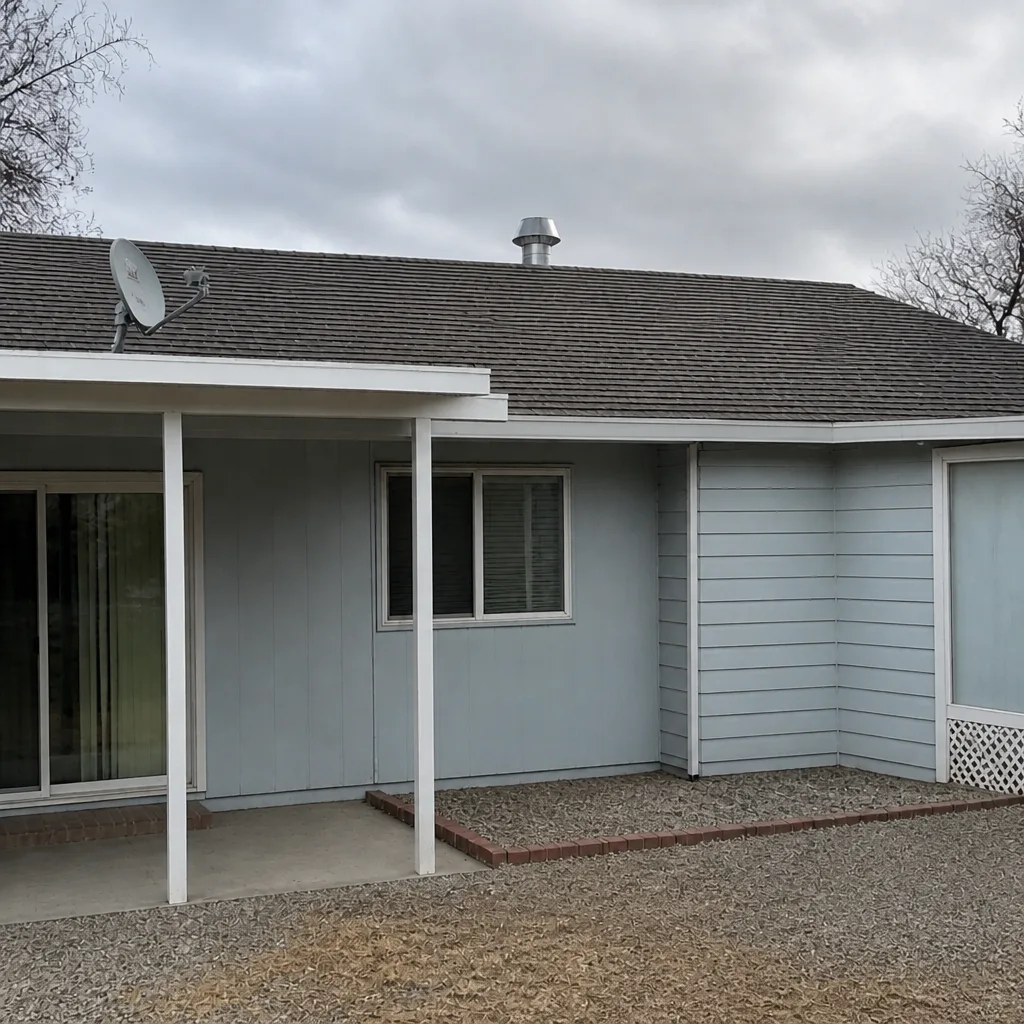
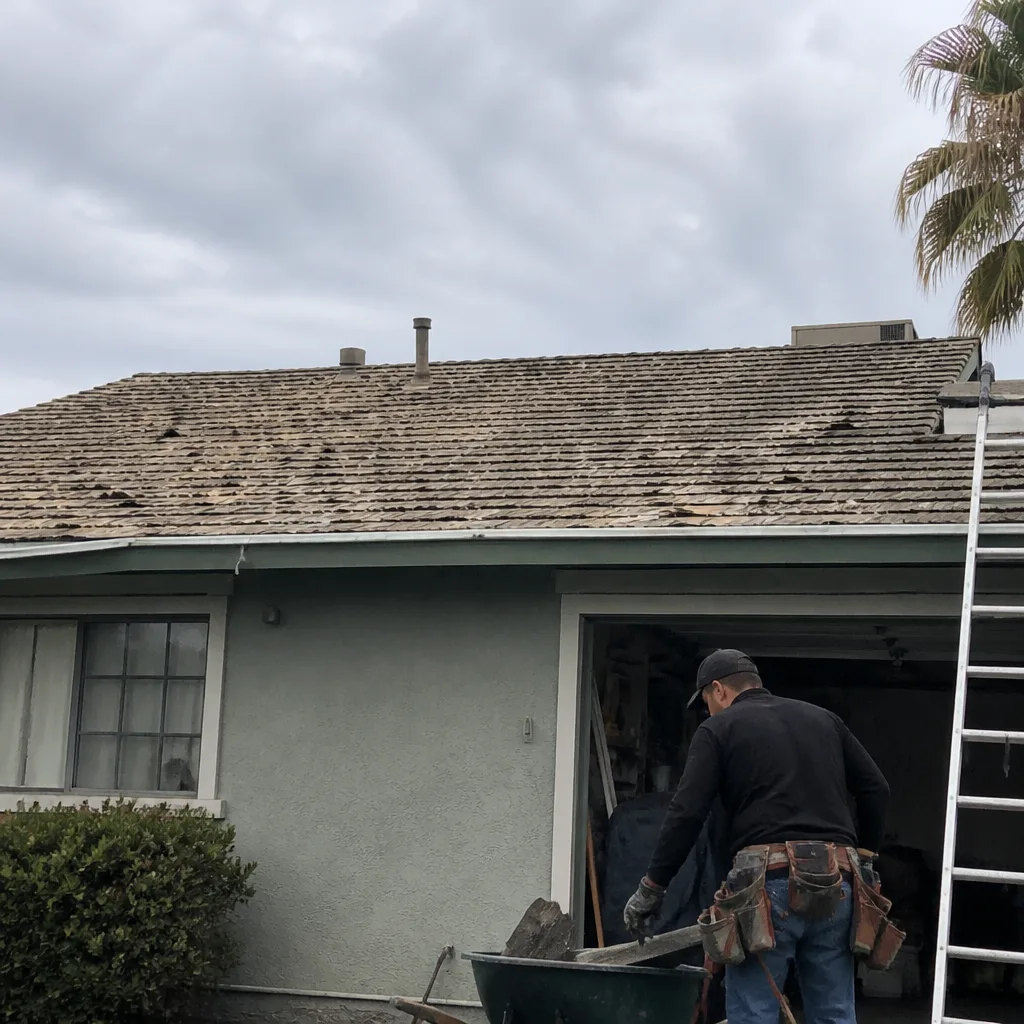
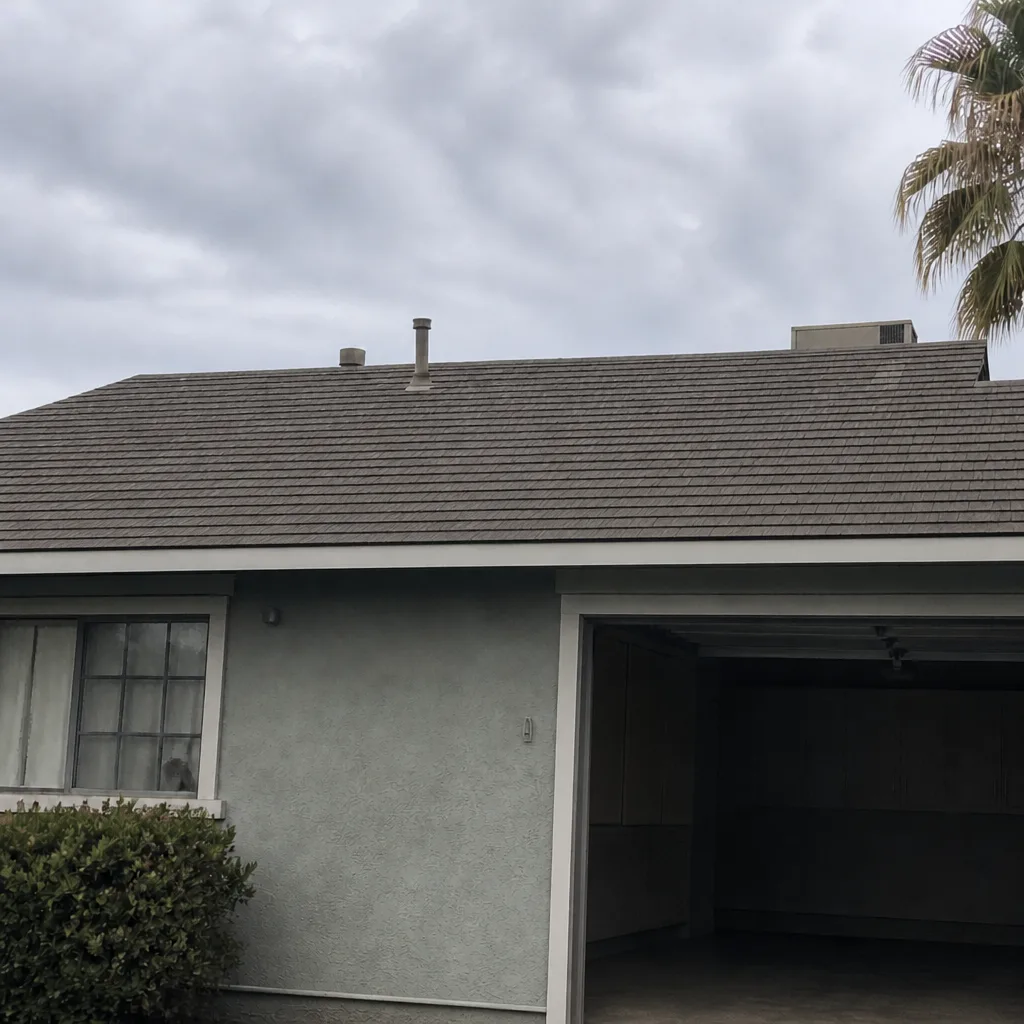
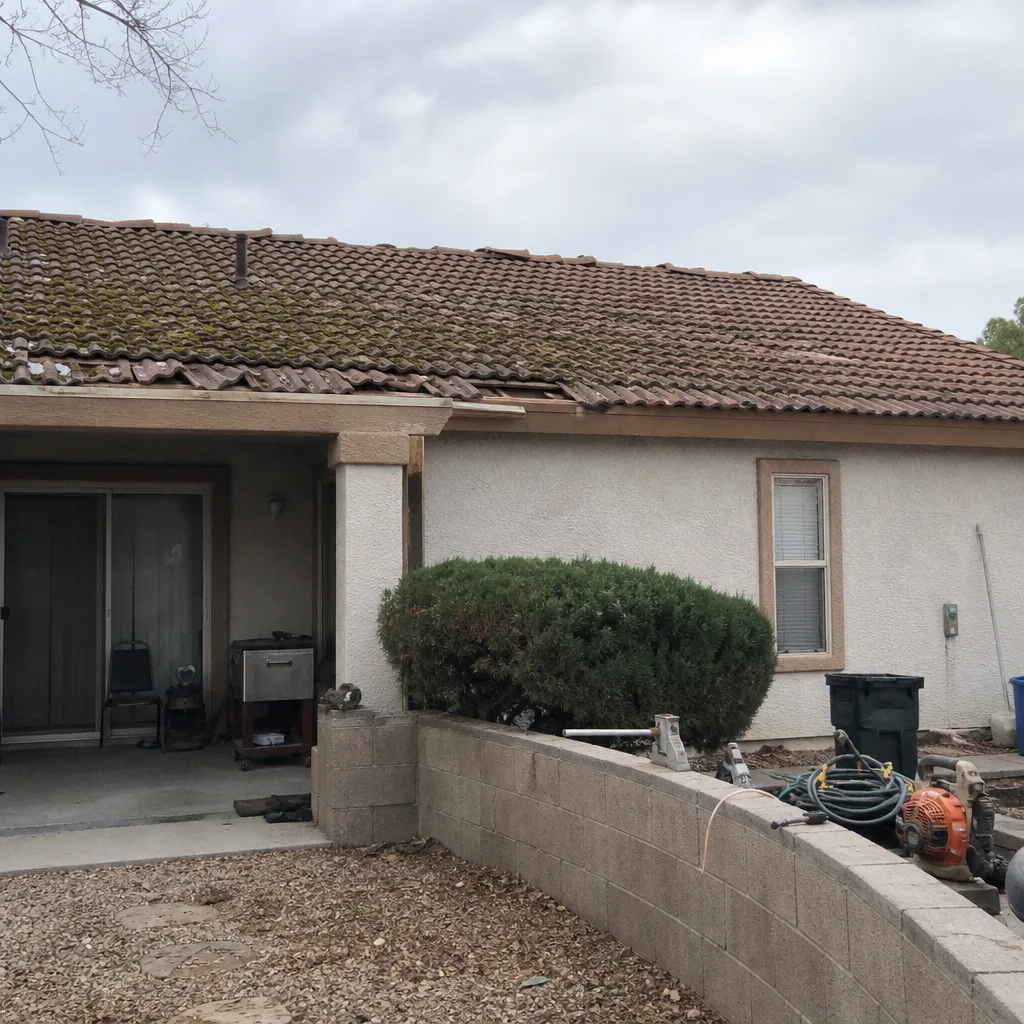
See the difference
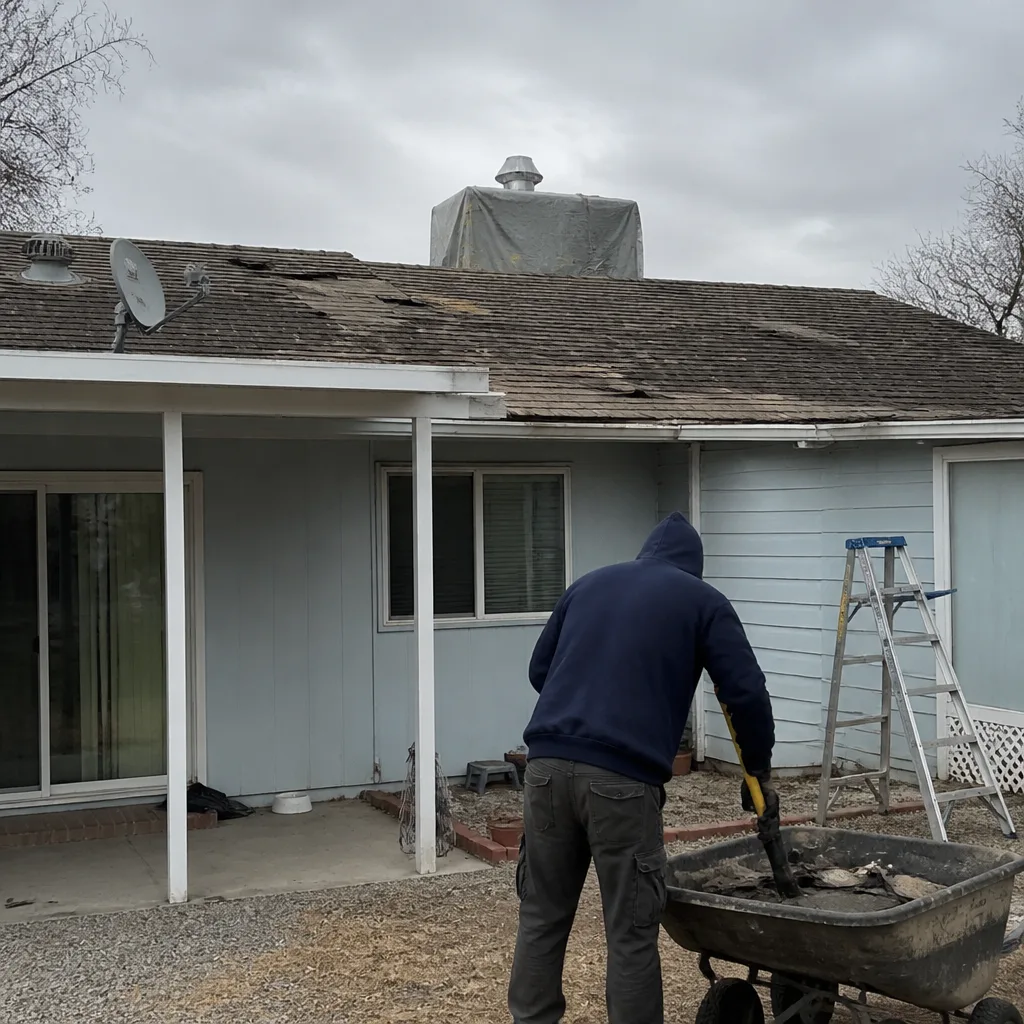 Before
 After
 Before
 After
 Before
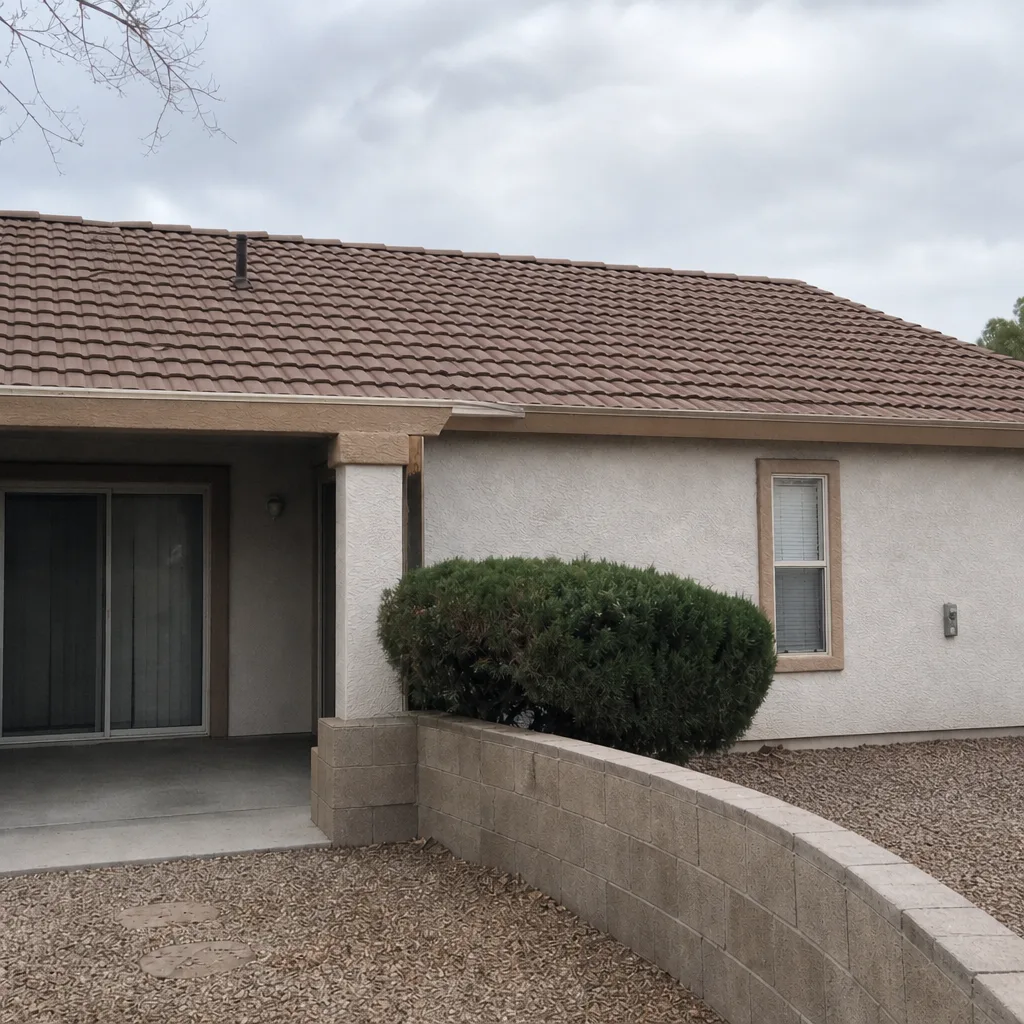 After
Frequently Asked Questions
Get people and pets out of the room, contain the water in buckets or towels, and photograph the damage before you clean up. If the ceiling is sagging, stay out of the room and call a roofer. Do not go on the roof at night in a storm. Call (888) 849-9122 and we’ll triage the situation with you – we answer 24/7, with fast dispatch from 7am to 7pm, Sunday through Friday.
No. A slow drip you can catch in a bucket is a repair-class problem that can usually wait until daylight. A sagging ceiling, water reaching electrical fixtures, or a wide crack in the ceiling is a structural emergency and needs professional attention right away. The distinction is structural compromise, not how much water you’re seeing.
We don’t quote emergency or after-hours work at a premium, and we don’t give a phone estimate. The price is set per job by the written estimate after we’ve seen the roof. Estimates are free. Call (888) 849-9122 to schedule one and get an exact number in writing.
Most homeowner policies cover sudden storm damage, and most expect you to take reasonable steps to prevent further damage, which is what tarping and containing the water are. Keep receipts for mitigation materials, photograph everything with timestamps, and ask for a written inspection report from the roofer. We don’t bill your insurer directly, but we can work with your insurer and provide the documentation the adjuster needs.
Only in specific cases: single-story, low-pitch, dry conditions after the storm has passed, and a small breach. A wet pitched roof is where homeowners get hurt, and an unanchored tarp can cause secondary damage that complicates the claim. If the roof is steep, two-story, or already showing structural signs, let a professional do it. Our technicians have up to 12 years of experience with local roof profiles.
Permit requirements for roofing work in Sunrise Manor are set by the local building department and depend on the scope of the job, so ask when you call and we’ll confirm what applies to your repair. Roof replacement typically requires a permit and an inspection; smaller repairs often don’t. We handle the permit and the inspection when one is required.
The Bottom Line
A roofing emergency in Sunrise Manor is manageable if you’ve done the prep. Know the difference between a structural emergency and a repair-class problem. Contain the water inside instead of climbing the roof at night. Photograph everything with timestamps before you clean up. Tarp only when it’s safe and anchored properly, and let a professional handle the rest. Build the one-page reference sheet this weekend: contractors, policy number, water shutoff, panel location, tarp storage. That hour of prep is the difference between a controlled night and a chaotic one. When the roof does fail, we answer 24/7 and dispatch from 7am to 7pm, Sunday through Friday.
If you’re ready to get ahead of storm season rather than react to it, that starts with a standalone inspection, not a sales call. We work with seven leading brands – GAF, CertainTeed, Owens Corning, IKO, Atlas, Tamko, and Boral – so the recommendation follows your roof and your budget, not a single-manufacturer contract. Repair when repair is right, replace when replace is right, and we’ll tell you which. Call (888) 849-9122 for a free estimate. We answer 24/7. Fast dispatch from 7am to 7pm, Sunday through Friday.
Written by the team at Roofing Sunrise Manor.