
Last updated November 15, 2026
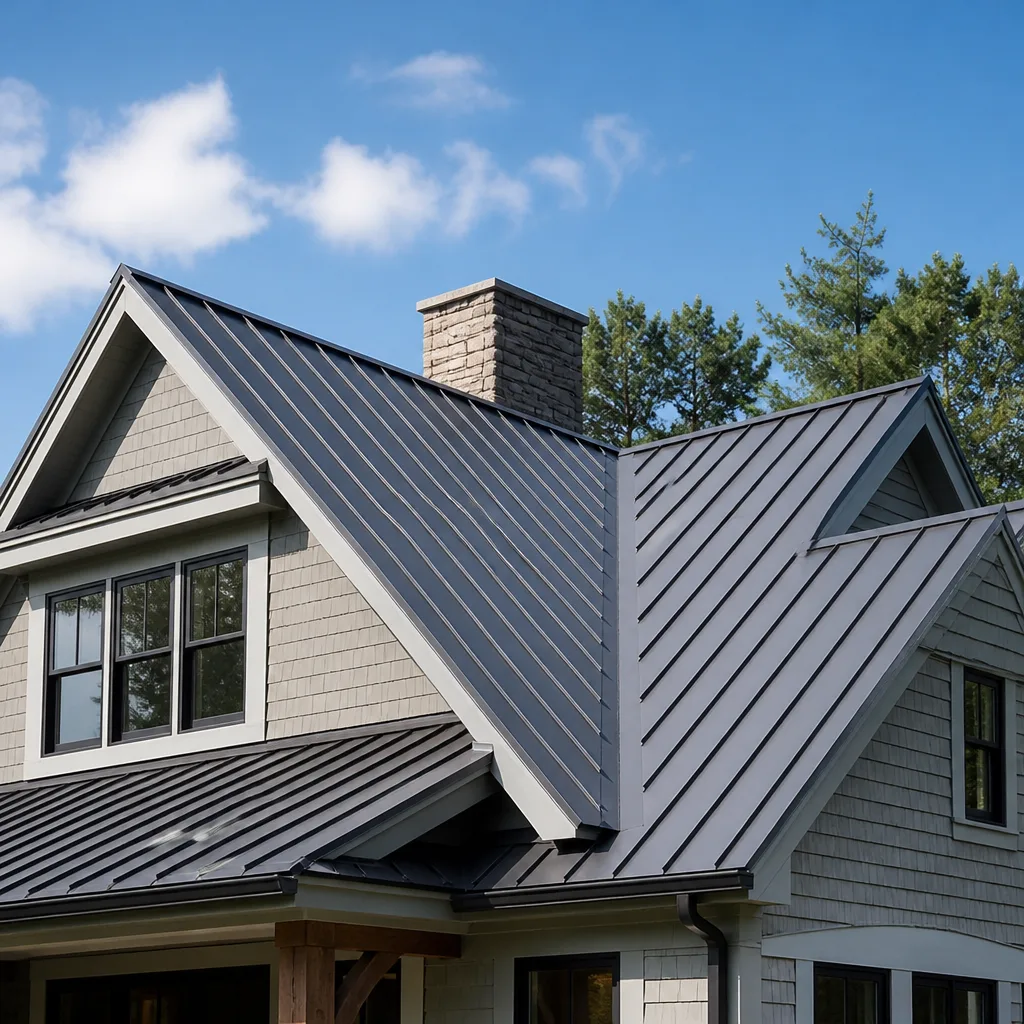 Metal roofing
 Architectural shingles
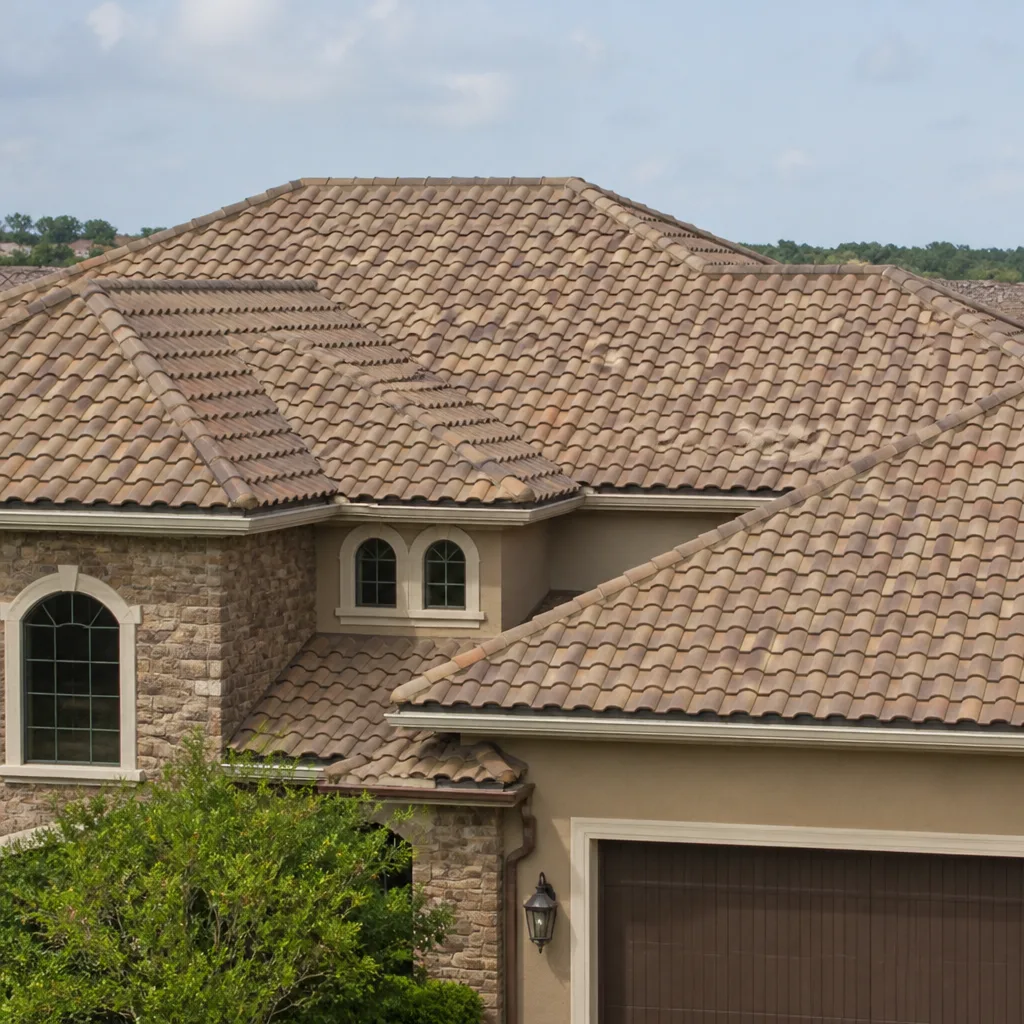 Tile roofing
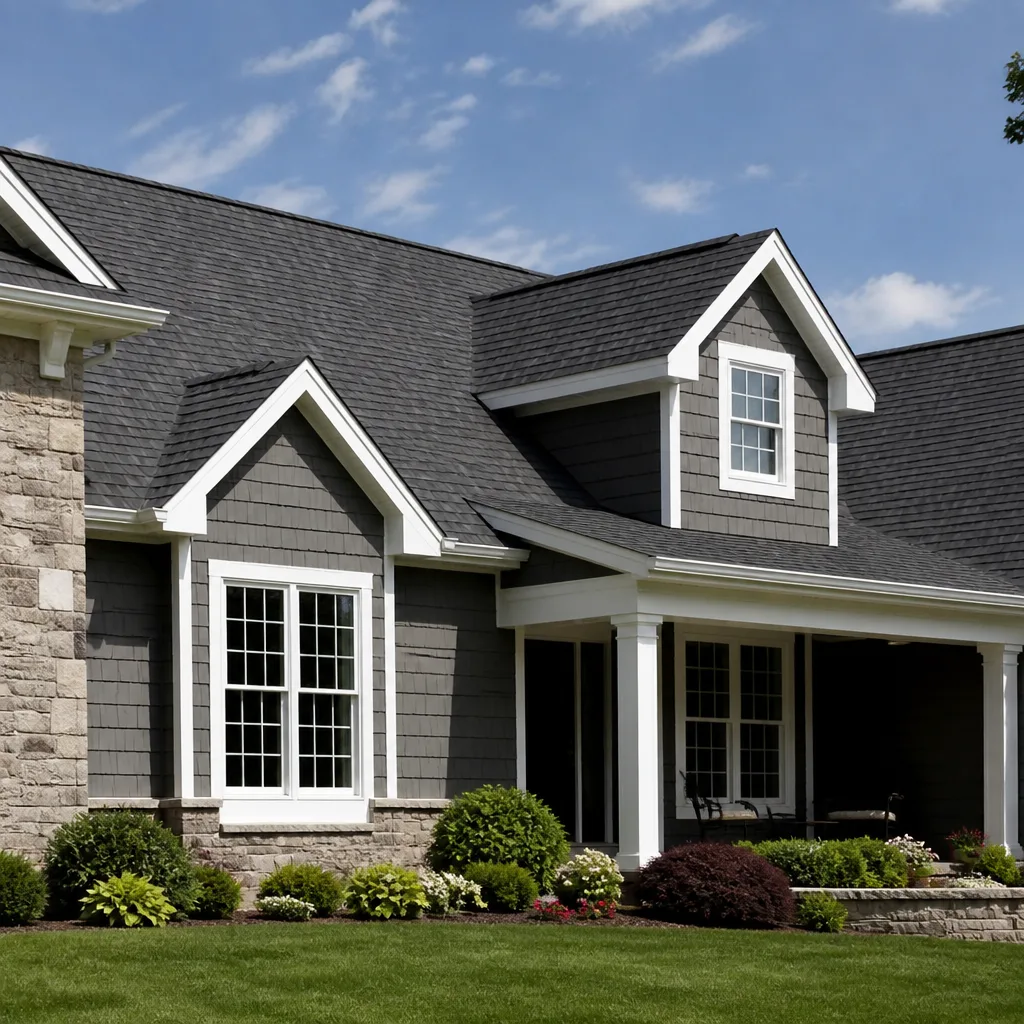 GAF
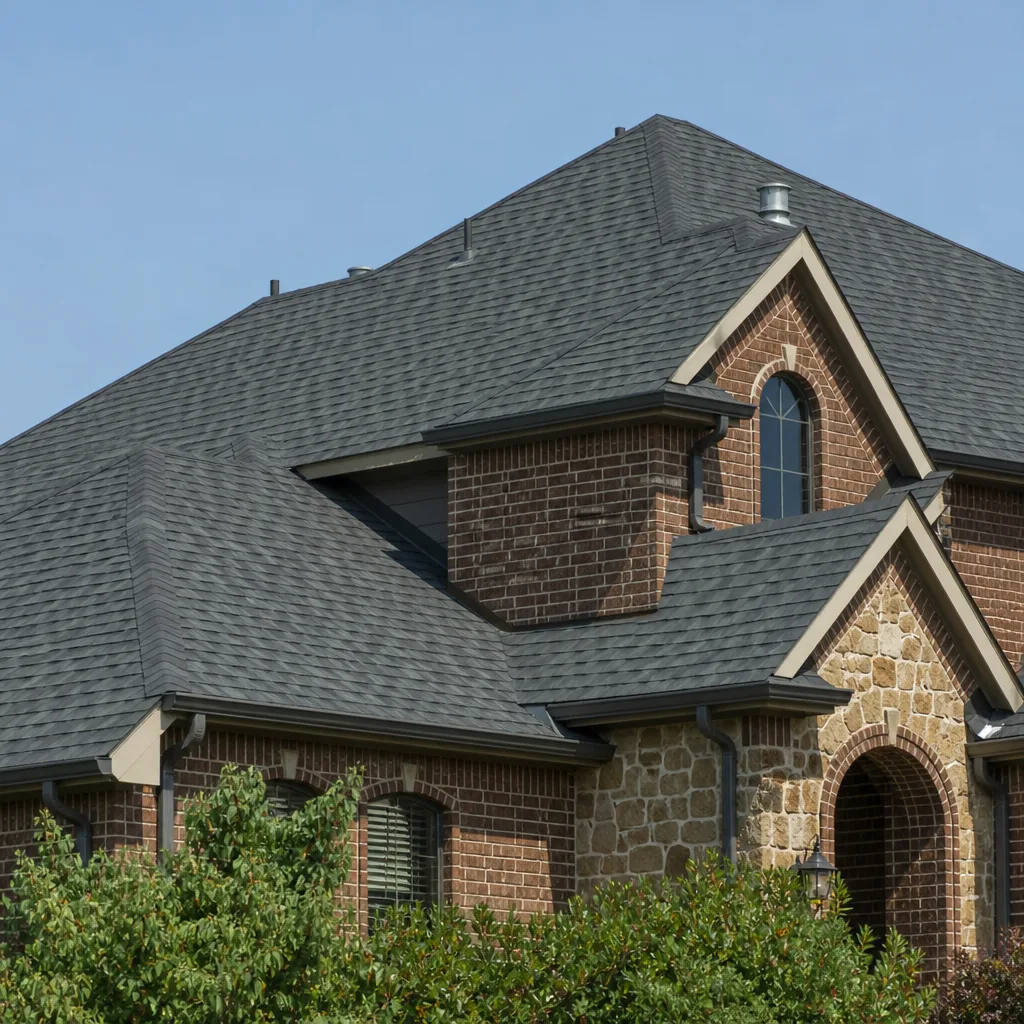 Owens Corning
 Flat & low-slope
Free roof inspection with deck photos before we talk money - GAF and Owens Corning certified installation
How to Hire a Roofing Contractor in Sunrise Manor: A Step-by-Step Guide
Most homeowners think the hard part of a roofing project is picking a shingle color. It isn’t. The hard part is figuring out, before you sign anything, whether the person in front of you will still be reachable when the first problem shows up. Sunrise Manor sits in a part of the Las Vegas Valley where wind events peel back shingles and summer heat bakes sealant strips into brittle strips, and both of those realities bring out both good contractors and temporary ones. This guide is about telling them apart. We’ll cover how to verify a Nevada license, which certifications actually matter, the contract clauses that protect you, and the questions that reveal whether a roofer’s work survives its first summer.
Quick Answer
To hire a roofing contractor in Sunrise Manor, verify their Nevada license number directly on the Nevada State Contractors Board website, confirm they carry a physical local address you can visit, get at least three written estimates with line-item material and labor costs, and read the contract for deposit terms and change-order language before signing. A qualified roofer will welcome every one of those checks. A temporary operator will resist them.
Styles & brands we work with
- Architectural shingles
- Metal roofing
- Tile roofing
- GAF
- Owens Corning
- Flat & low-slope
Table of Contents
- How do you verify a roofing contractor’s license in Nevada?
- Do manufacturer certifications matter in Sunrise Manor?
- Which contract clauses protect you from common disputes?
- What red flags are specific to the Las Vegas Valley market?
- What should you ask a contractor’s references?
- How do you know whether you need a repair or a replacement?
- How does Sunrise Manor’s climate affect roofing choices?
- What does the full hiring process look like, step by step?
How do you verify a roofing contractor’s license in Nevada?
You verify a roofing contractor in Nevada by looking up their license number on the Nevada State Contractors Board (NSCB) website, not by trusting a number printed on a business card or a truck door. The lookup takes a few minutes and tells you the license status, the classification, and whether there are any disciplinary actions on record. If a contractor can’t or won’t give you a license number to look up, that’s your answer right there.
The classification matters as much as the status. Nevada issues licenses by trade classification, and roofing work falls under specific classifications rather than a general “handyman” or “general building” license. When you look up a contractor, read what the license actually covers. A license that doesn’t list roofing work means the person isn’t licensed for the job you’re hiring them for, regardless of how long they’ve been in the trades.
Here’s how to run the check:
- Ask the contractor for their Nevada license number in writing, before any estimate is scheduled.
- Go to the NSCB website and use the license search.
- Confirm the license status is active, not expired or suspended.
- Read the classification to confirm it covers roofing work.
- Check for any disciplinary history or complaints on the record.
- Confirm the business name on the license matches the name on your estimate and contract.
That mismatch is one of the most common problems we hear about. A crew shows up with a license number belonging to a different company, or the estimate is written under one entity and the contract under another. If the names don’t line up, stop and ask why. A legitimate contractor will explain it plainly. In our experience, the ones who get defensive about a license lookup are the ones you want to walk away from.
Do manufacturer certifications matter in Sunrise Manor?
Manufacturer certifications are worth something, but they’re worth less than local installation experience with the specific roof types and slope profiles common in Sunrise Manor. A certification tells you a contractor has completed a manufacturer’s training program. It doesn’t tell you whether that contractor has spent summers installing on the low-slope and shallow-pitch roofs that show up throughout the Valley, or whether they understand how heat cycling affects sealant and underlayment here.
This is where a multi-brand contractor has a real advantage over a single-brand installer. When a roofer only works with one manufacturer’s product line, every recommendation tends to land on that product line, whether or not it’s the best fit for your roof. When a contractor installs across several major brands, the recommendation is driven by your roof’s pitch, your budget, and the local climate, not by a supplier relationship. We work with GAF, CertainTeed, Owens Corning, IKO, Atlas, Tamko, and Boral, which means we can match replacement materials to an existing installation to preserve the look of a partially re-roofed home.
What to weigh instead of certification alone:
- How many roofs of your specific type and pitch the contractor has installed in the Valley.
- Whether they can explain why a particular product suits your roof, not just that it’s “the best.”
- Whether they’ll match existing materials on a partial replacement rather than pushing a full re-roof.
- Whether their estimate includes underlayment and ventilation details, not just shingle brand.
Ask a contractor to walk you through two or three product options and explain the tradeoffs. A roofer who has genuine depth across brands will give you a real comparison. A one-brand installer will give you a sales pitch dressed as a comparison.
Which contract clauses protect you from common disputes?
The five contract clauses that protect you most are: a deposit cap tied to a percentage of total job cost with no cash-upfront demand, a written change-order process requiring your signature before any material substitution, a defined completion timeline with weather contingencies, a lien waiver provision, and a workmanship warranty stated in writing. Missing any of these leaves you exposed during the exact disputes that come up most often on roofing jobs in the Las Vegas Valley.
Deposit terms are where most trouble starts. A reasonable deposit covers material ordering and scheduling. A demand for the full job cost upfront, or a large cash deposit before any material is ordered, is a warning sign. Nevada has rules governing contractor deposits and payment schedules, so ask the contractor to point to the specific terms in their contract and confirm they align with state requirements.
Material change orders are the second big one. Roofing jobs sometimes uncover damage that wasn’t visible until tear-off. The contract should say exactly how that gets handled: who authorizes additional work, in what form, and at what price. A verbal “we found rot, it’ll be a bit more” is not a change order. Get it in writing before the crew continues.
Here’s the checklist we’d want to see in any roofing contract:
- Deposit terms: a percentage that matches material and scheduling costs, not the full project total.
- Change-order clause: written, signed authorization required before any added scope or material substitution.
- Timeline: a start date, a projected completion window, and how weather delays are handled.
- Lien waiver: confirmation that subcontractors and suppliers get paid so a lien can’t land on your property.
- Workmanship warranty: stated separately from the manufacturer’s material warranty, in writing, with a duration you can point to.
Read the whole contract before you sign it, and don’t let anyone rush that read. A contractor who is confident in their paperwork will give you the time to go through it.
What red flags are specific to the Las Vegas Valley market?
The red flags specific to the Las Vegas Valley are a same-day pressure to sign, an offer to “work with your insurance” before an adjuster has even visited, and no verifiable physical local address. After a significant wind or storm event, out-of-state contractors move into the Valley, set up temporarily, collect deposits, and leave. That pattern is common enough that homeowners here should treat it as a standing risk rather than a one-off bad experience.
Pressure to sign the same day is the classic tell. A legitimate roofer will give you an estimate and let you think about it. Urgency tactics (“this price is only good today,” “we’re booking the whole neighborhood tomorrow”) are designed to keep you from doing the verification steps above.
Insurance offers before an adjuster visit deserve particular scrutiny. A contractor cannot promise what your insurer will cover before your insurer has assessed the damage. A roofer who tells you they’ll “handle everything with your insurance” before anyone has looked at the roof is selling you a promise they can’t keep. We can work with your insurer, but the damage assessment comes first, every time.
No physical local address is the third warning sign. Ask for the business address and check that it’s a real, verifiable location, not a mailbox or a vacant lot. Combined with an out-of-state area code and a license lookup that comes back out of state or missing, that’s a clear signal to look elsewhere.
Other red flags worth watching for:
- A license number that doesn’t match the business name on the estimate.
- No written estimate, or an estimate that’s a single lump sum with no line items.
- Refusal to provide references from jobs within the Valley.
- A push to pay in cash with no receipt or contract.
- Door-to-door solicitation immediately after a storm, with a hard same-day close.
What should you ask a contractor’s references?
Ask a contractor’s references whether the roof has held up after at least one full summer heat cycle in Sunrise Manor, whether the contractor returned calls after the job was paid, and whether any change orders during the project came in at the price quoted. These questions reveal whether the work survives the conditions that actually stress a roof here, not just whether the crew was polite during installation.
The summer heat cycle is the key detail. A roof can look fine in the weeks right after installation and then show problems once it’s been through a full stretch of high heat. Sealants soften and re-set, shingles expand and contract, and any shortcuts in the installation become visible. A reference from a job completed within the last few months tells you less than a reference from a job that’s been through a full summer.
Questions to ask, in order:
- When was the roof installed or repaired, and has it been through a full summer since?
- Did the final price match the written estimate, or did change orders add cost?
- How did the contractor handle any problems that came up after the job?
- Did they pull permits and was the inspection clean?
- Would you hire them again, and if not, what would change your mind?
If the contractor only provides references from recent jobs, ask for at least one from a project that has weathered a full summer. If they can’t produce one, that tells you something too. A contractor who has done real work in Sunrise Manor will have long-term references to share. Our technicians have up to 12 years of experience, and the questions above reflect the issues that come up repeatedly on Valley roofs.
How do you know whether you need a repair or a replacement?
You know you need a repair when the damage is isolated to a small area and the surrounding roof is structurally sound; you know you need a replacement when the roof has widespread wear, repeated leaks in multiple locations, or is near the end of its service life. The honest answer depends on the roof itself, and any contractor who recommends replacement before inspecting properly is guessing.
This is why a standalone inspection service matters. When inspection is its own service, the assessment isn’t bundled into a sales pitch for a replacement. You get a clear picture of what the roof actually needs. Start with an inspection, know exactly what you’re dealing with before you spend a dollar. If a repair solves the problem, repair is the right call. If the roof is past the point where repairs make sense, a replacement is the right call. The contractor’s job is to tell you which and show you the evidence.
Signs that point toward repair:
- A single leak or isolated area of damage.
- Missing or damaged shingles in one section after a wind event.
- Flashing problems around a chimney, skylight, or vent.
- The roof is otherwise in good condition and well within its expected life.
Signs that point toward replacement:
- Granule loss across large areas, or shingles that are brittle or curling.
- Leaks in multiple locations, especially after separate storms.
- Sagging, soft spots, or signs of decking damage.
- Repeated repairs that haven’t held.
Ask for the inspection findings in writing, with photos. A roofer who can show you what they see is giving you something you can evaluate. A roofer who only tells you what you need is asking for trust they haven’t earned yet.
How does Sunrise Manor’s climate affect roofing choices?
Sunrise Manor’s desert climate is the single biggest factor in which roofing materials make sense here. Intense summer heat and UV exposure break down roofing materials faster than in milder climates, and wind events in the Valley test how well shingles and flashing are fastened. Material selection and installation detail both matter more than brand name alone.
Heat cycling is the main issue. Roofs here expand during the day and contract at night, and that repeated movement stresses sealant strips, flashing seals, and fasteners. Products designed for high-heat, high-UV environments hold up better, and installation details like proper ventilation and underlayment selection make a real difference to how long the roof lasts. A contractor who understands Sunrise Manor’s climate will talk about ventilation and underlayment, not just shingle color.
Wind matters too. The Valley sees wind events that can lift shingles, especially on roofs with compromised sealant or improper nailing. Proper fastening patterns and the right shingle for the wind exposure matter more than the brand on the wrapper. When we recommend materials from brands like GAF, Atlas, or Boral, the recommendation is based on how the product performs in this climate on your specific roof, not on which brand has the best marketing.
What to ask your contractor about climate fit:
- How the proposed material performs under sustained high heat and UV exposure.
- What ventilation the installation includes, and why it matters for your roof assembly.
- How the shingles are fastened for wind resistance.
- Whether the underlayment is suited to desert conditions.
If you’re starting from scratch on a roof replacement, the material conversation should come before the estimate. If you’re dealing with a specific leak or storm damage, start with roof repair and get the damage assessed first.
What does the full hiring process look like, step by step?
The full hiring process runs in eight steps: verify the license, confirm the local address, request written estimates from at least three contractors, compare line items rather than totals, check references from jobs that have been through a full summer, ask for a written inspection, read the contract against the five-clause checklist, and confirm permits before work starts. Each step takes minutes. Skipping any one of them is where homeowners get hurt.
Here’s the sequence we’d recommend:
- Verify the license. Look up the contractor’s Nevada license number on the NSCB website and confirm the classification covers roofing.
- Confirm a local address. Ask for the business address, and confirm it’s verifiable.
- Get three written estimates. Line-item estimates, not lump sums. Free estimates are standard.
- Compare line items. Look at material, labor, underlayment, and ventilation separately across all three.
- Ask for a written inspection. Get the findings and photos before anyone talks about scope.
- Check references. Ask the questions in the reference section above, and prioritize jobs that have been through a summer.
- Read the contract. Check it against the five clauses: deposit, change orders, timeline, lien waiver, workmanship warranty.
- Confirm permits. Most cities require a permit for roofing work and an inspection after. Ask the contractor to confirm they’ll pull it.
If you’re at the start of the process and want a clear picture before you call anyone, an inspection is the right first move. Roofing Sunrise Manor offers inspection as a standalone service, which means you’ll get an honest assessment of what your roof needs before any conversation about repair or replacement begins. Roofing is all we do, and we work across the full range of materials so the recommendation fits your roof rather than a supplier contract.
Permits are worth a separate note. Most cities require a permit for roofing work, and the inspection after the job matters for warranty continuity down the road. Ask your city’s building department what applies to your address, and confirm the contractor builds permits and inspections into their process. A contractor who suggests skipping the permit to save time is a contractor to walk away from.
Common Mistakes to Avoid
- Hiring on price alone. The lowest bid often leaves out underlayment, ventilation, or permit costs. Compare line items across estimates, not just the bottom line, or you’re comparing apples to less apples.
- Skipping the NSCB lookup. A license number on a business card means nothing until you’ve checked it yourself. The lookup takes minutes and is the single highest-value step in the process.
- Paying a large cash deposit up front. A deposit should cover material and scheduling, not the whole job. Cash upfront with no contract leaves you with no recourse if the work stops.
- Trusting an insurance promise before an adjuster visit. No contractor can tell you what your insurer will cover before your insurer has assessed the damage. Get the assessment first, then talk scope.
- Accepting a verbal change order. Roofing tear-off can uncover problems that weren’t visible, but the added work still needs written, signed authorization. A verbal “it’ll be a bit more” is a dispute waiting to happen.
- Not checking references from jobs that have been through a full summer. A roof that looks fine in month one can show installation problems after a full heat cycle. Ask for references that have been through it.
- Ignoring the local address question. A contractor with no verifiable physical address is a contractor you can’t hold accountable. Ask for the address, and check it.
See the difference
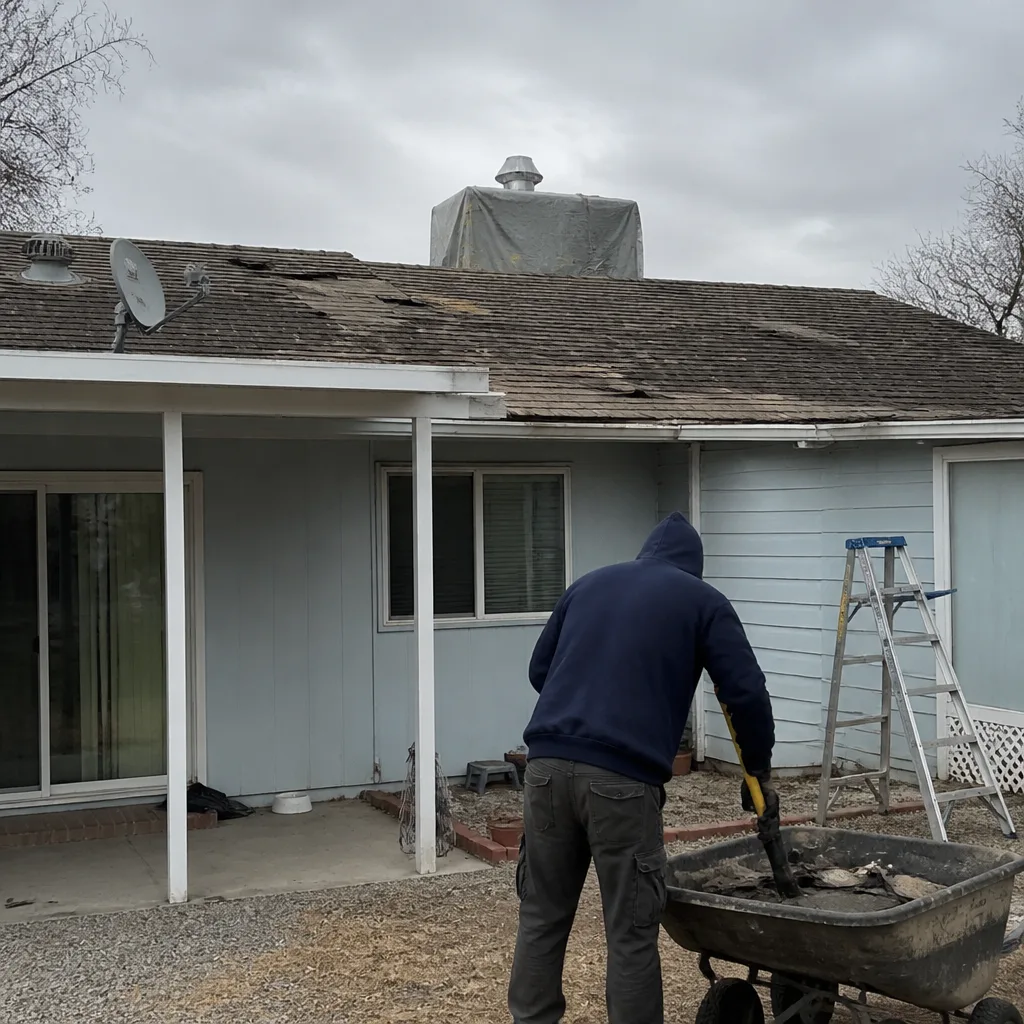 Before
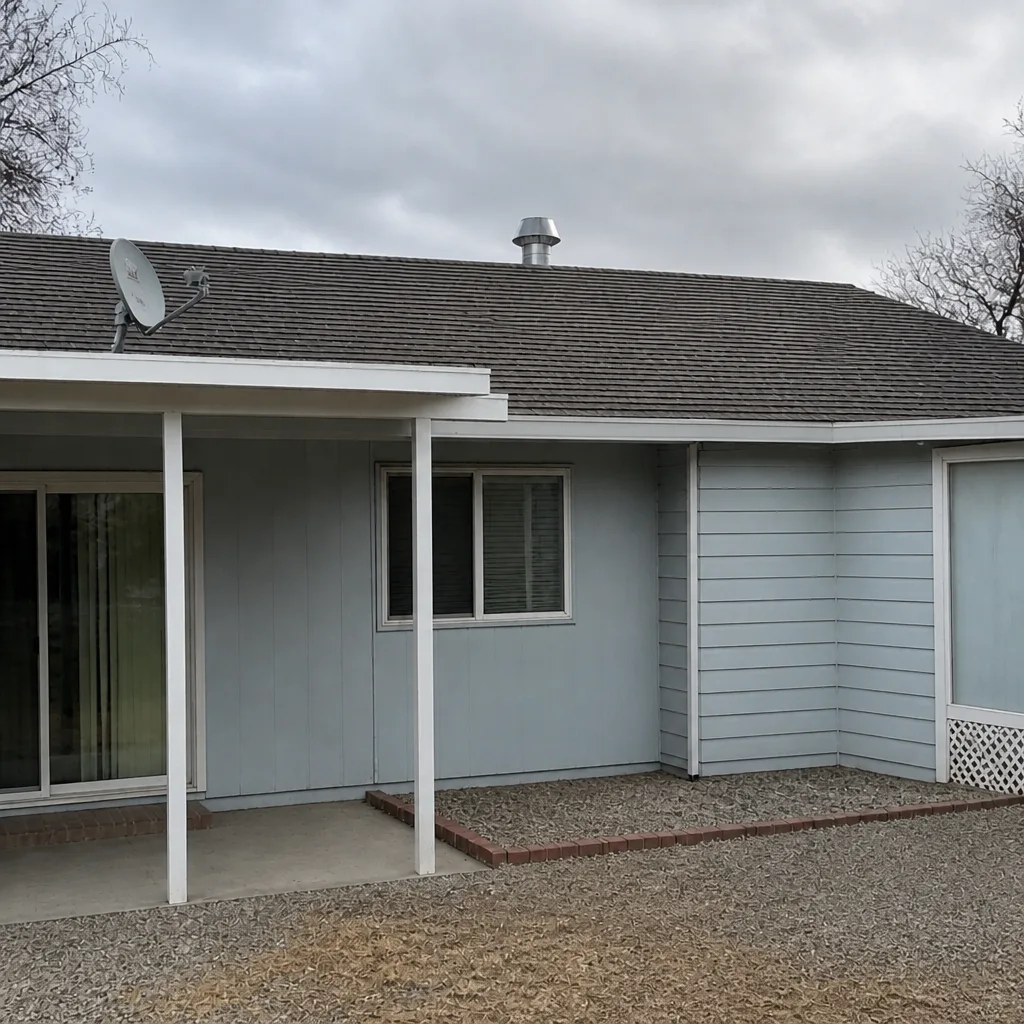 After
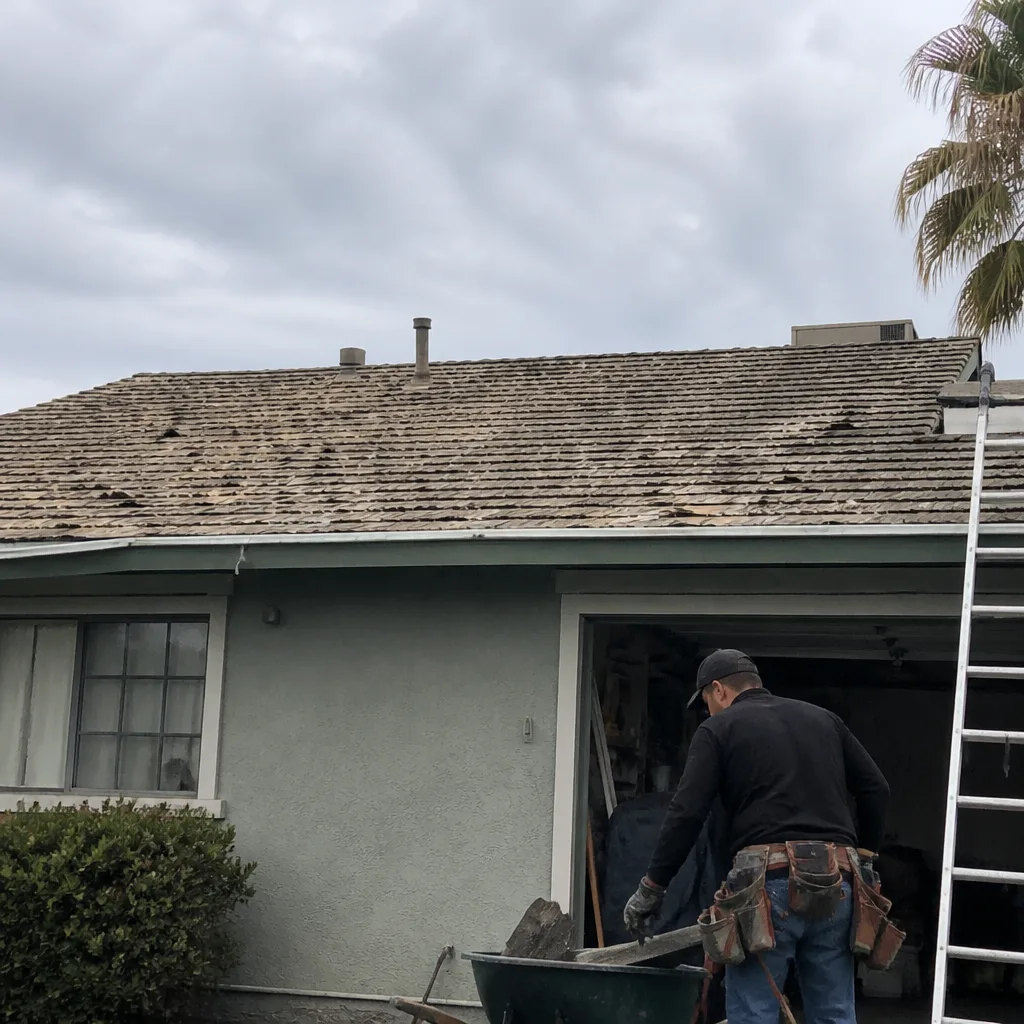 Before
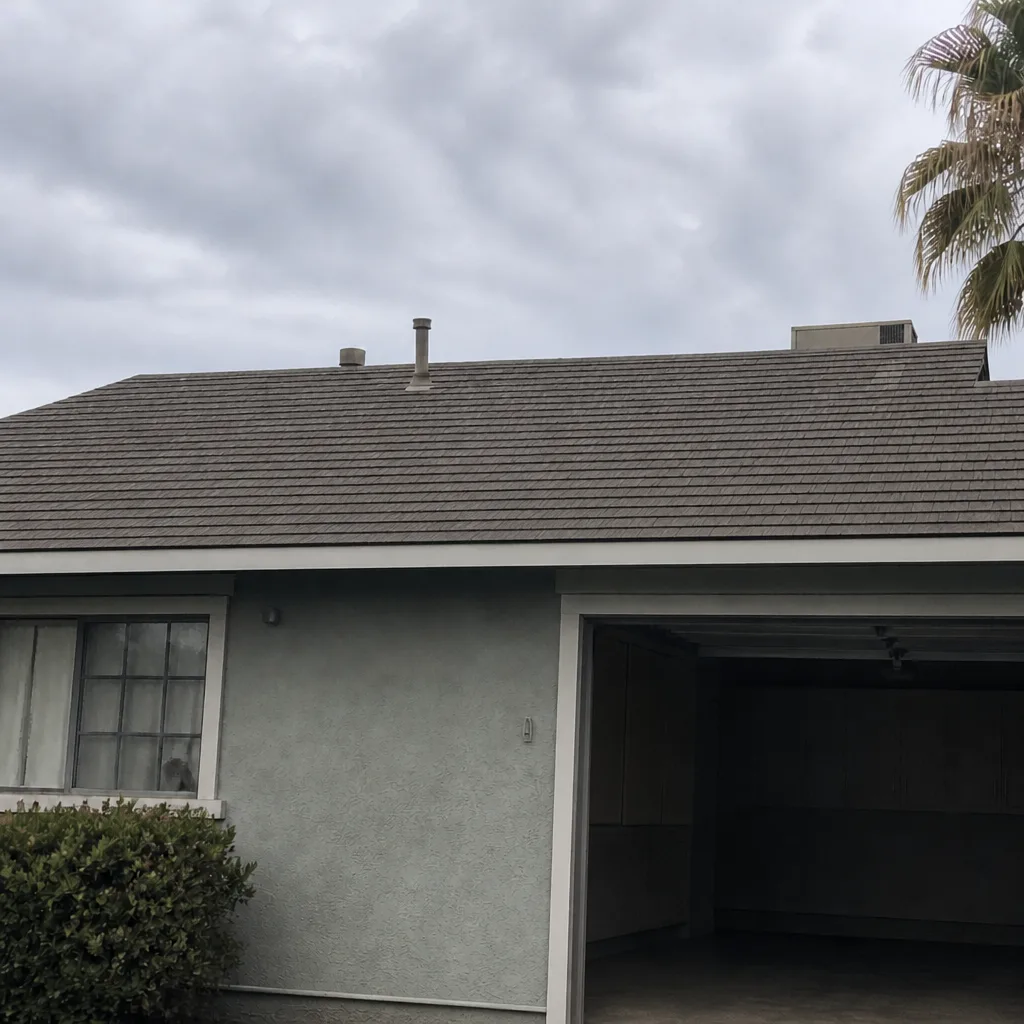 After
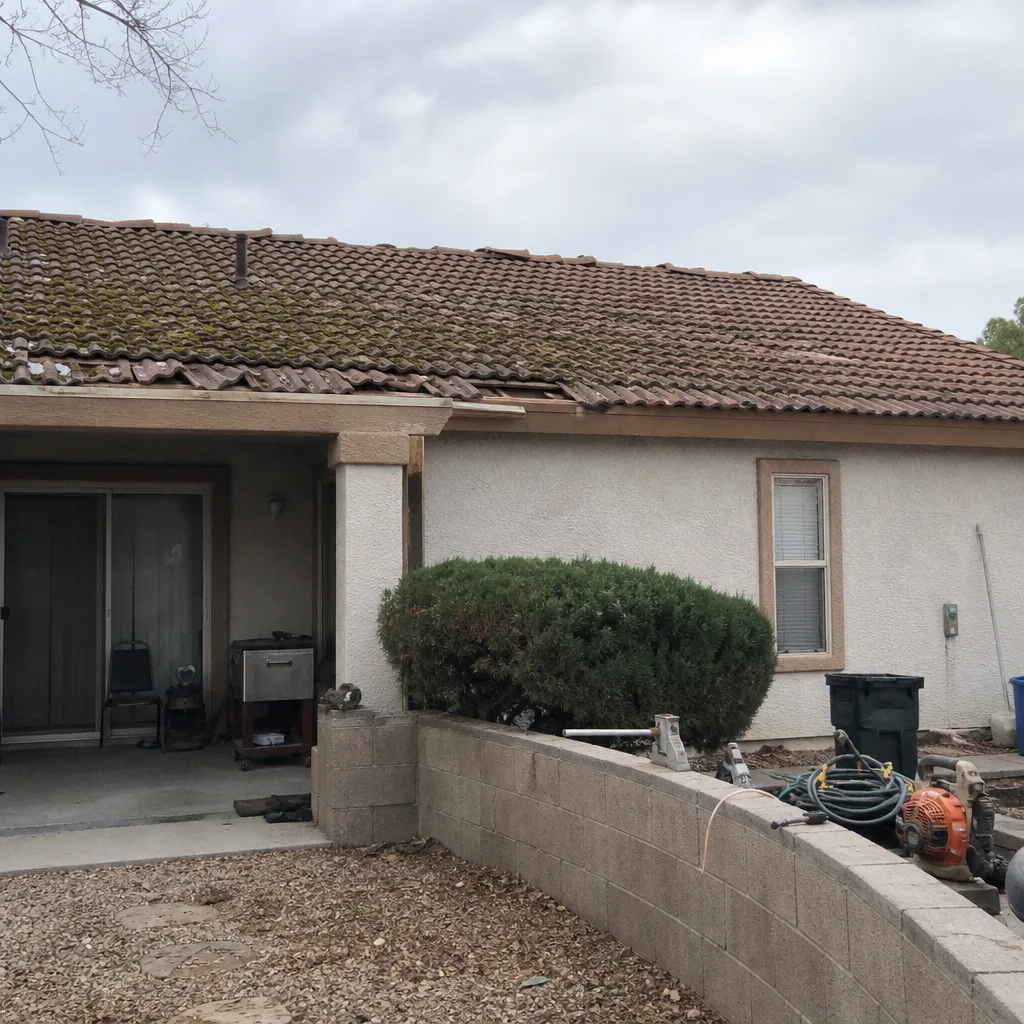 Before
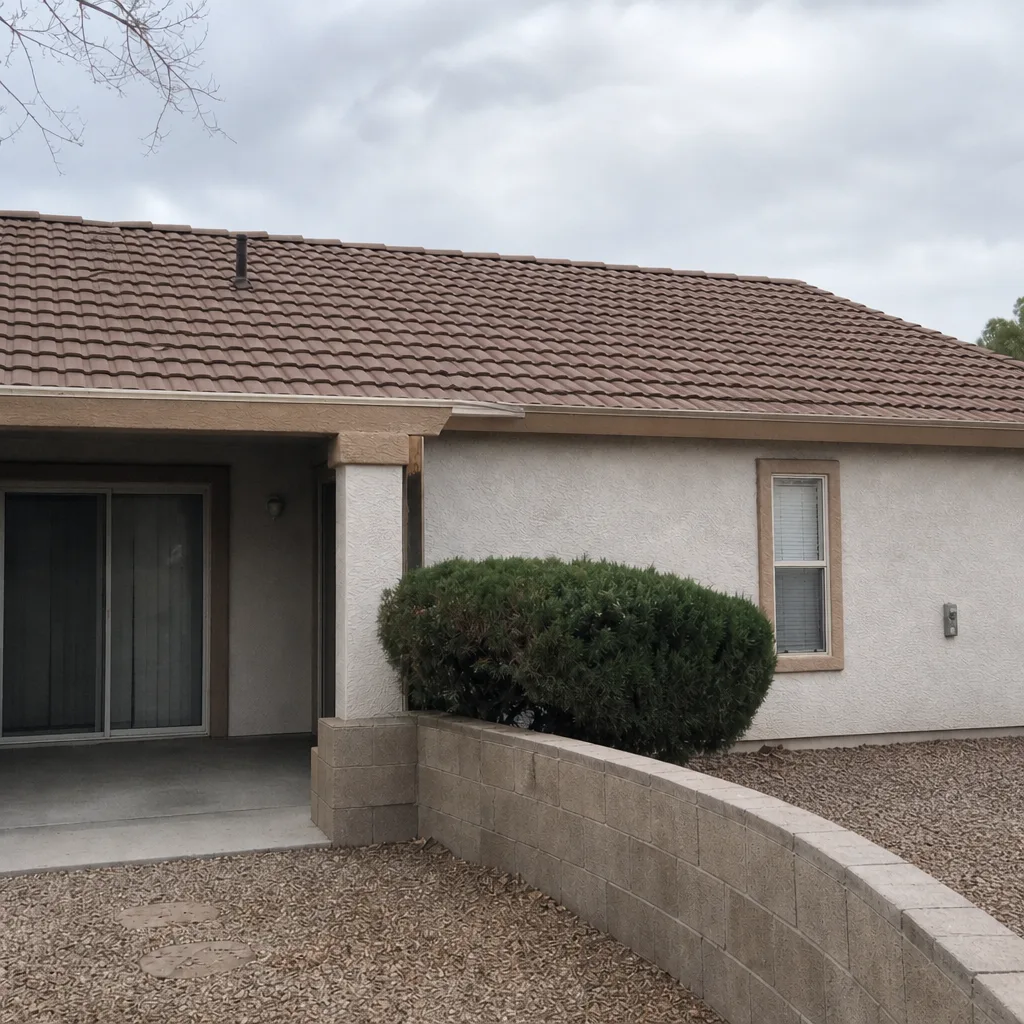 After
When to Call a Professional
Call a professional when you have an active leak, visible storm damage, shingles or flashing that have come loose, or when you don’t know the age or condition of your roof and need a clear answer before the next storm season. Storm and impact damage in the Valley can hide under shingles that look fine from the ground, so a roof inspection is the sensible first call whenever there’s any doubt. Don’t climb up to check it yourself; roofs here get hot enough to be genuinely dangerous, and the assessment is a job for someone with the right equipment and experience. Roofing Sunrise Manor offers free estimates in Sunrise Manor. Call (888) 849-9122. We answer 24/7. Fast dispatch from 7am to 7pm, Sunday through Friday.
Frequently Asked Questions
Roofing costs in Sunrise Manor depend on the scope of the work, the material selected, and the condition of the decking underneath, so we set the price per job with a written estimate rather than quoting a flat number. Small repairs run less than full replacements by a wide margin, and the line-item estimate you receive will show material, labor, and any added scope separately. Call (888) 849-9122 for an exact quote. Estimates are free, and the written estimate sets the final price.
Verify a roofing contractor’s license by looking up their license number on the Nevada State Contractors Board website and confirming the status is active and the classification covers roofing work. Ask for the number in writing before an estimate is scheduled, and confirm the business name on the license matches the name on your estimate and contract. If the contractor won’t provide a license number to look up, that’s a red flag.
Many roof repairs can be handled same day, depending on the extent of the damage and whether materials for the specific repair are on hand. A full replacement takes longer and is scheduled in advance. Call (888) 849-9122 and we’ll assess the damage and give you a realistic timeline. We answer 24/7. Fast dispatch from 7am to 7pm, Sunday through Friday.
Repair if the damage is isolated and the surrounding roof is sound; replace if the damage is widespread, leaks are recurring in multiple areas, or the roof is past its service life. The right answer depends on the roof itself, which is why a written inspection with photos comes first. Start with an inspection, know exactly what you’re dealing with before spending a dollar. Call (888) 849-9122 to schedule yours.
Yes. Most cities require a permit for roofing work and an inspection after the job, and we build both into the process. Ask your city’s building department what applies to your address, and confirm in the contract that permits and inspections are included. A contractor who suggests skipping the permit is a contractor to walk away from.
Look for an active Nevada license with a roofing classification, a verifiable local address, written line-item estimates, references from jobs that have been through a full summer, and a contract that includes deposit terms, a change-order clause, a timeline, a lien waiver, and a workmanship warranty. A contractor who welcomes all of those checks is one you can hold accountable.
The Bottom Line
Hiring a roofer in Sunrise Manor comes down to verification. Check the Nevada license on the NSCB website, confirm a real local address, get three written line-item estimates, ask for a standalone inspection before anyone talks scope, check references from jobs that have been through a full summer, and read the contract against the five-clause checklist. None of those steps takes long, and together they separate a qualified local operator from a temporary setup. And if you’re not sure where to start, an inspection is the right first move. Roofing Sunrise Manor offers inspection, repair, and replacement as separate services, so you get an honest answer about what your roof actually needs. We’re ready when you are.
Call (888) 849-9122 for a free estimate. We answer 24/7. Fast dispatch from 7am to 7pm, Sunday through Friday. Roofing is all we do, and we do it across the full spectrum of proven materials. You can also read more about Sunrise Manor roofing or start at the Roofing Sunrise Manor home page.
Written by the team at Roofing Sunrise Manor.